/
Periodicals
/
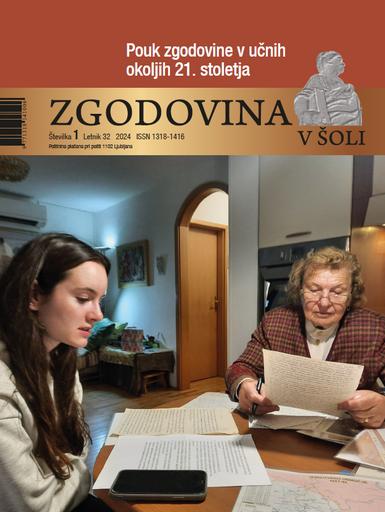
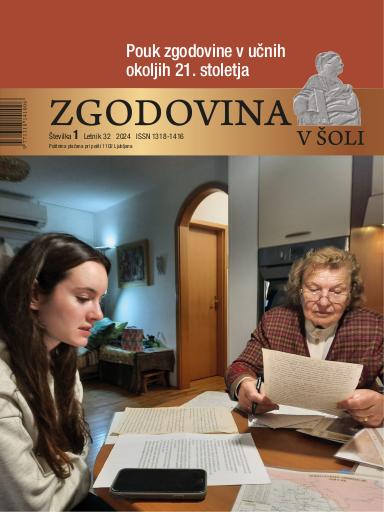
Zgodovina v šoli
Creating Learning Environments for Modern History Lessons Through Formative Assessment of Skills in Working With Historical Sources

This work by Vilma Brodnik is licensed under Creative Commons Attribution-NonCommercial-NoDerivs 4.0 International
Files (1)
Description
The article presents possibilities for creating modern learning environments in history lessons based on formative assessment, which provides feedback to students about achieving the learning objectives (learning intentions) and knowledge standards. The feedback is based on success criteria that stem from learning intentions and knowledge standards. Its purpose is to enable students to improve their attainment, taking their potential and talent into account. Students are provided feedback by the teacher, other classmates (peer feedback), and themselves (self-assessment). Students co-design the learning intentions and success criteria, which increases their motivation and responsibility. In the learning unit on the attitude of Slovenes towards the states in which they lived in the 20th century, we have proved that formative assessment can be used to create an inclusive, safe, and encouraging learning environment. Learning is based on the development and formative assessment of critical-thinking skills in working with primary and secondary historical sources. Forms of cooperative learning in groups and pairs are included, which develop social skills. We present various teaching materials with a selection of primary and secondary historical sources; formative assessment activities and tools, such as the traffic light with learning intentions and success criteria, and a form for collecting student voice.
Metadata (12)
- identifierhttps://hdl.handle.net/11686/71929
- title
- S formativnim spremljanjem veščin dela z zgodovinskimi viri ustvarjamo učna okolja za sodoben pouk zgodovine
- Creating Learning Environments for Modern History Lessons Through Formative Assessment of Skills in Working With Historical Sources
- creator
- Vilma Brodnik
- contributor
- Vilma Brodnik (odg. ur.)
- Tine Logar (lekt.)
- Ensitra prevajanje, Brigita Vogrinec Škraba s. p. (prev.)
- subject
- didaktika zgodovine
- formativno spremljanje
- delo z zgodovinskimi viri
- kritično mišljenje
- varno in spodbudno učno okolje
- history didactics
- formative assessment
- working with historical sources
- critical thinking
- safe and encouraging learning environment
- description
- V članku predstavljamo možnosti in priložnosti ustvarjanja sodobnih učnih okolij pri pouku zgodovine. Pri tem se opiramo na didaktično strategijo formativnega spremljanja, katerega bistvo je sporočanje informativne in spodbudne povratne informacije učencem o doseganju učnih ciljev (namenov učenja) in standardov znanja. Povratna informacija temelji na kriterijih uspešnosti, ki izhajajo iz namenov učenja in standardov znanja. Njen namen je učencem omogočiti izboljševanje učnih dosežkov, upoštevajoč tudi njihove potenciale in talente. Povratno informacijo učencem sporoča učitelj, sošolec sošolcu (vrstniška povratna informacija) in učenec samemu sebi (samovrednotenje). Učenci so tudi vključeni v sooblikovanje namenov učenja in kriterijev uspešnosti, kar poveča motivacijo in odgovornost za učenje. Na primeru učnega sklopa o odnosu Slovencev do držav, v katerih so živeli v 20. stoletju, dokazujemo, kako lahko s formativnim spremljanjem ustvarimo vključujoče, varno in spodbudno učno okolje za učenje zgodovine. Samo učenje v predstavljenem učnem okolju temelji na razvijanju in formativnem spremljanju veščin kritičnega mišljenja pri delu s primarnimi in sekundarnimi zgodovinskimi viri, vključene so oblike sodelovalnega učenja v skupinah in tandemih, pri katerih se spodbuja in razvija tudi socialne veščine, predstavljamo pa tudi različna učna gradiva z izborom primarnih in sekundarnih zgodovinskih virov za izbrani učni sklop, aktivnosti in orodja formativnega spremljanja, kot sta semafor z nameni učenja in kriteriji uspešnosti ter obrazec za ugotavljanje upoštevanja glasu vsakega učenca.
- The article presents possibilities for creating modern learning environments in history lessons based on formative assessment, which provides feedback to students about achieving the learning objectives (learning intentions) and knowledge standards. The feedback is based on success criteria that stem from learning intentions and knowledge standards. Its purpose is to enable students to improve their attainment, taking their potential and talent into account. Students are provided feedback by the teacher, other classmates (peer feedback), and themselves (self-assessment). Students co-design the learning intentions and success criteria, which increases their motivation and responsibility. In the learning unit on the attitude of Slovenes towards the states in which they lived in the 20th century, we have proved that formative assessment can be used to create an inclusive, safe, and encouraging learning environment. Learning is based on the development and formative assessment of critical-thinking skills in working with primary and secondary historical sources. Forms of cooperative learning in groups and pairs are included, which develop social skills. We present various teaching materials with a selection of primary and secondary historical sources; formative assessment activities and tools, such as the traffic light with learning intentions and success criteria, and a form for collecting student voice.
- publisher
- Zavod RS za šolstvo
- date
- 2024
- type
- besedilo
- language
- Slovenščina
- Angleščina
- isPartOf
- rights
- license: ccByNcNd