/
Periodicals
/
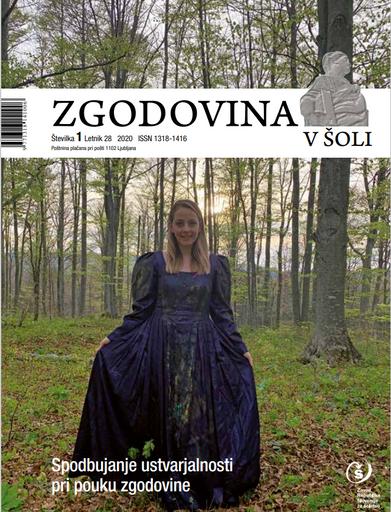
Zgodovina v šoli
Fostering creativity and innovation in history class
Author(s):Vilma Brodnik
Co-author(s):Vilma Brodnik (odg. ur.), Tine Logar (lekt.), Ensitra prevajanje, Brigita Vogrinec s. p. (prev.)
Leto:2020
Publisher(s):Zavod RS za šolstvo, Ljubljana
Source(s):Zgodovina v šoli, 2020, št. 1
Language(s):slovenščina
Type(s) of material:text
Keywords:ustvarjalnost in inovativnost, ustvarjalno mišljenje, ustvarjalni in nadarjeni učenci, didaktični in učni pristopi za spodbujanje ustvarjalnosti in inovativnosti, inovativna učna okolja, didaktika zgodovine, creativity and innovation, creative thinking, creative and talented students, didactic and learning approaches for fostering creativity and innovation, innovative learning environments, history didactics
Rights:
This work by Vilma Brodnik is licensed under Creative Commons Attribution-NonCommercial-ShareAlike 4.0 International
Files (1)
Name:Zgodovina_soli_I_28_2020.pdf
Size:3.77MB
Format:application/pdf
Permanent link:https://hdl.handle.net/11686/file31536
Description
The article presents the characteristic features of creative and innovative people, and of creative and innovative thinking. It explains the importance of fostering and developing creativity in the educational and learning process, while describing the possibilities of encouraging and growing creativity and innovation in school. The relationship between creative and talented students is introduced along with an in-depth definition of creativity and innovation, which are embedded in historical science. This is followed by an analysis of the inclusion of creative and innovative skills in primary and secondary school history curricula, together with suggestions to upgrade the curricula with a more detailed definition of the opportunities for promoting creativity and innovation in history classes. Details on didactic and learning approaches are provided with specific examples of how creativity and innovation can be fostered in history classes. In addition, a description is given of the ways of encouraging creativity and innovation in history classes, enabled by modern and innovative learning environments. The article concludes with examples of formative assessment, and assessment of creativity and innovation in history classes.
Metadata (12)
- identifierhttps://hdl.handle.net/11686/51434
- title
- Spodbujanje ustvarjalnosti in inovativnosti pri pouku zgodovine
- Fostering creativity and innovation in history class
- creator
- Vilma Brodnik
- contributor
- Vilma Brodnik (odg. ur.)
- Tine Logar (lekt.)
- Ensitra prevajanje, Brigita Vogrinec s. p. (prev.)
- subject
- ustvarjalnost in inovativnost
- ustvarjalno mišljenje
- ustvarjalni in nadarjeni učenci
- didaktični in učni pristopi za spodbujanje ustvarjalnosti in inovativnosti
- inovativna učna okolja
- didaktika zgodovine
- creativity and innovation
- creative thinking
- creative and talented students
- didactic and learning approaches for fostering creativity and innovation
- innovative learning environments
- history didactics
- description
- The article presents the characteristic features of creative and innovative people, and of creative and innovative thinking. It explains the importance of fostering and developing creativity in the educational and learning process, while describing the possibilities of encouraging and growing creativity and innovation in school. The relationship between creative and talented students is introduced along with an in-depth definition of creativity and innovation, which are embedded in historical science. This is followed by an analysis of the inclusion of creative and innovative skills in primary and secondary school history curricula, together with suggestions to upgrade the curricula with a more detailed definition of the opportunities for promoting creativity and innovation in history classes. Details on didactic and learning approaches are provided with specific examples of how creativity and innovation can be fostered in history classes. In addition, a description is given of the ways of encouraging creativity and innovation in history classes, enabled by modern and innovative learning environments. The article concludes with examples of formative assessment, and assessment of creativity and innovation in history classes.
- publisher
- Zavod RS za šolstvo
- date
- 2020
- 01. 01. 2020
- type
- besedilo
- language
- Slovenščina
- isPartOf
- rights
- license: ccByNcSa