
/
Periodicals
/
Časopis za zgodovino in narodopisje
Searching for a Third Way. The Vienna Socialist International (1921-1923) between the Social Democratic Reformism and the Bolshevik Revolution.

Author(s):Avgust Lešnik
Co-author(s):Darko Friš (ur.)
Leto:2000
Publisher(s):Izdajata Univerza v Mariboru in Zgodovinsko društvo Maribor
Language(s):slovenščina
Type(s) of material:text
Files (1)
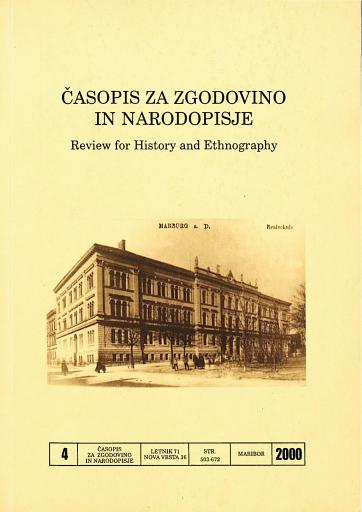
Name:2000_4_Casopis_za_zgodovino_in_narodopisje.pdf
Size:11.92MB
Format:application/pdf
Permanent link:https://hdl.handle.net/11686/file2555
Description
The Socialist Centrists convoked a conference in Vienna, in February 1921, as
an answer and a sign of disagreement with the policy of both the Second and
the Third International. They accused the Second (Bern) International of
submitting itself to the interests of bourgeoisie, which was intolerable at the
time of proletarian revolutionary manifestations and the awakening of colonised
peoples. To the Third (Moscow) International, however, the Centrists
replied that they could not accept "the twenty-one conditions" and would,
therefore, found their own International The parties pertaining to the international
Centre rejected both the ideology of the reformistic Second International
and that of the revolutionary Third. Instead, they opted for a middle
- third way between the Social Democratic reformism and the Bolshevik
revolution. Their ideological orientation was defined by the representatives
of Austro-Marxism, who, in a different situation of peace, saw a possibility of
reaching socialist society in the context of reformed Capitalism. The Vienna
International was, in the words of F. Adler, founded with the aim of uniting
the whole world proletariat in one international organisation, given that "the
Congress of the Second International in Geneva (1920) and the Congress of
the Third International in Moscow (1920) only represented one third of the
world proletariat." The failure to reunite the dispersed movement in the united
front, brought the Vienna International ideologically closer to the Second
(Bern) International.
Metadata (10)
- identifierhttps://hdl.handle.net/11686/8576
- title
- Iskanje tretje poti. Dunajska socialistična internacionala (1921-1923) med socialnodemokratskim reformizmom in boljševiško revolucijo
- Searching for a Third Way. The Vienna Socialist International (1921-1923) between the Social Democratic Reformism and the Bolshevik Revolution.
- creator
- Avgust Lešnik
- contributor
- Darko Friš (ur.)
- description
- The Socialist Centrists convoked a conference in Vienna, in February 1921, as an answer and a sign of disagreement with the policy of both the Second and the Third International. They accused the Second (Bern) International of submitting itself to the interests of bourgeoisie, which was intolerable at the time of proletarian revolutionary manifestations and the awakening of colonised peoples. To the Third (Moscow) International, however, the Centrists replied that they could not accept "the twenty-one conditions" and would, therefore, found their own International The parties pertaining to the international Centre rejected both the ideology of the reformistic Second International and that of the revolutionary Third. Instead, they opted for a middle - third way between the Social Democratic reformism and the Bolshevik revolution. Their ideological orientation was defined by the representatives of Austro-Marxism, who, in a different situation of peace, saw a possibility of reaching socialist society in the context of reformed Capitalism. The Vienna International was, in the words of F. Adler, founded with the aim of uniting the whole world proletariat in one international organisation, given that "the Congress of the Second International in Geneva (1920) and the Congress of the Third International in Moscow (1920) only represented one third of the world proletariat." The failure to reunite the dispersed movement in the united front, brought the Vienna International ideologically closer to the Second (Bern) International.
- Sklic socialistične centristične konference na Dunaju (februarja 1921) je bil odgovor oziroma odraz nestrinjanja centristov s politično usmeritvijo tako II. kot III. internacionale. Prvi so dali vedeti, da se s svojo politiko podreja interesom buržoazije, kar je nesprejemljivo v času revolucionarnih nastopov proletariata in prebujanja kolonialnih ljudstev, drugi pa odgovorili, da ne sprejemajo diktiranih "21 pogojev" in zato ustanavljajo svojo Internacionalo. Stranke, ki so pripadale mednarodnemu "centru", torej niso sprejele niti idejnih konceptov reformistične II. internacionale niti revolucionarnih III. internacionale. Opredeljevale so se za srednjo - tretjo - pot med socialnodemokratskim reformizmom in boljševiško revolucijo. Njihovo idejno usmeritev so utemeljili predstavniki avstromarksizma, ki so - v spremenjenih (mirnih) družbenih okoliščinah - videli pot v socialistično družbo znotraj reformiranega kapitalizma. Cilj ustanovitve Dunajske internacionale je bil, po besedah F. Adlerja, povezati celotni svetovni proletariat v skupno mednarodno organizacijo, saj sta tako "kongres II. internacionale v Ženevi (1920) kot kongres III. v Moskvi (1920) zastopala samo tretjino svetovnega proletariata". Neuspeh Dunajske internacionale, da bi združila razcepljeno delavsko gibanje v enotno fronto, jo je približal k idejno bližji II. (Bernski) internacionali.
- publisher
- Izdajata Univerza v Mariboru in Zgodovinsko društvo Maribor
- date
- 2000
- type
- besedilo
- language
- Slovenščina
- isPartOf