
/
Periodicals
/
Zgodovina v šoli
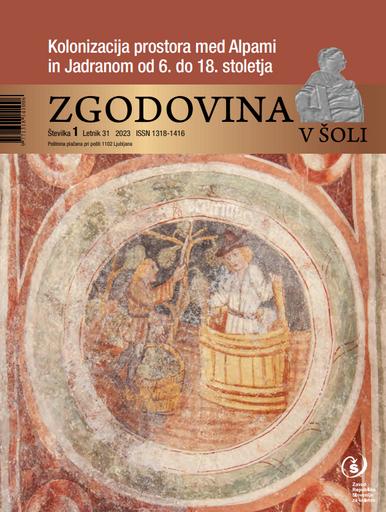
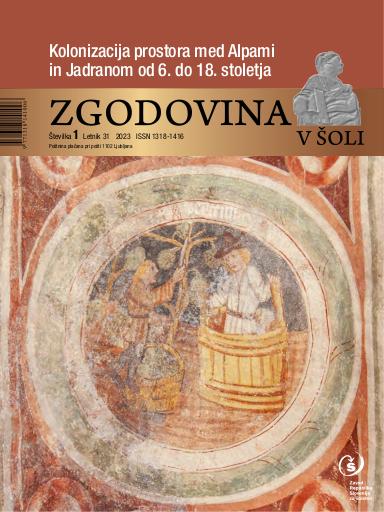
Colonization of the area between the Alps and the Adriatic :
(6th to 18th century)

This work by Darja Mihelič is licensed under Creative Commons Attribution-NonCommercial-ShareAlike 4.0 International
Files (1)
Description
The article describes the course of the colonization of the area between the Alps and the Adriatic from the Early Middle Ages to the modern period. It is divided into four phases. Phase one, i.e., early colonization, covers the period of the spontaneous settling of the Slavic ancestors of present-day Slovenes into the vast area between the Alps and the Adriatic from the second half of the 6th century to the 9th century. This was followed by phase two from the 10th to the end of the 12th century, i.e., systematically organized internal colonization, which mostly involved groups of the excess surrounding population that cleared and drained the plains. Phase three, i.e., systematic, organized hilltop colonization by groups of colonists, lasted until the 15th century, spreading over hilly areas. The colonization continued into the modern period: from the 16th century onward, we speak of phase four, i.e., spontaneous, unplanned, additional colonization by individuals. Throughout the phases, the colonization took place on terrain with different landforms and diverse vegetation. The colonists used various tools to till the land, which influenced the shape of fields and settlements. The new settlers came from near and far, which influenced the structure of the population in the newly colonized area. Under the influence of colonization, both the manor and the peasant‘s position in it changed, while the area originally settled by the ancestors of present-day Slovenes shrank to a third.
Metadata (13)
- identifierhttps://hdl.handle.net/11686/64526
- title
- Kolonizacija prostora med Alpami in Jadranom :
- (6. do 18. stoletje)
- Colonization of the area between the Alps and the Adriatic :
- (6th to 18th century)
- creator
- Darja Mihelič
- contributor
- Vilma Brodnik (odg. ur.)
- Tine Logar (lekt.)
- Ensitra prevajanje, Brigita Vogrinec Škraba s. p. (prev.)
- subject
- srednji vek
- kolonizacija
- poljska razdelitev
- tipi naselij
- kmečki položaj
- middle ages
- colonization
- field distribution
- types of settlements
- peasant‘s status
- description
- Prispevek opisuje potek kolonizacije v prostoru med Alpami in Jadranom od zgodnjega srednjega do novega veka. Delimo jo v štiri faze. Prva faza, starejša kolonizacija, je zajemala čas spontane naselitve slovanskih prednikov Slovencev v obsežen prostor med Alpami in Jadranom od druge polovice 6. do 9. stoletja. Od 10. do konca 12. stoletja je sledila druga faza načrtno organizirane notranje kolonizacije, v kateri so bile pretežno udeležene skupine presežnega okoliškega prebivalstva, ki je krčilo in izsuševalo ravninske predele. Do 15. stoletja je sledila tretja faza načrtne, organizirane višinske kolonizacije skupin kolonistov, ki je zajela hribovita območja. Kolonizacija se je nato nadaljevala še v novi vek: od 16. stoletja dalje govorimo o četrti fazi spontane, nenačrtne, dodatne kolonizacije posameznikov. V različnih fazah je kolonizacija zajela teren različnih oblik površja in raznolikega rastja. Pri obdelavi tal so kolonisti uporabljali raznovrstno orodje, kar je vplivalo na obliko njiv in naselij. Novi naseljenci so prihajali iz bližnjega in oddaljenega okolja, kar je vplivalo na sestav prebivalstva v na novo koloniziranem prostoru. Pod vplivom kolonizacije sta se spreminjala tako zemljiško gospostvo kot položaj kmeta na njem, prostor prvotne naselitve slovenskih prednikov pa se je skrčil na tretjino.
- The article describes the course of the colonization of the area between the Alps and the Adriatic from the Early Middle Ages to the modern period. It is divided into four phases. Phase one, i.e., early colonization, covers the period of the spontaneous settling of the Slavic ancestors of present-day Slovenes into the vast area between the Alps and the Adriatic from the second half of the 6th century to the 9th century. This was followed by phase two from the 10th to the end of the 12th century, i.e., systematically organized internal colonization, which mostly involved groups of the excess surrounding population that cleared and drained the plains. Phase three, i.e., systematic, organized hilltop colonization by groups of colonists, lasted until the 15th century, spreading over hilly areas. The colonization continued into the modern period: from the 16th century onward, we speak of phase four, i.e., spontaneous, unplanned, additional colonization by individuals. Throughout the phases, the colonization took place on terrain with different landforms and diverse vegetation. The colonists used various tools to till the land, which influenced the shape of fields and settlements. The new settlers came from near and far, which influenced the structure of the population in the newly colonized area. Under the influence of colonization, both the manor and the peasant‘s position in it changed, while the area originally settled by the ancestors of present-day Slovenes shrank to a third.
- publisher
- Zavod RS za šolstvo
- date
- 03. 2023
- type
- besedilo
- identifier
- identifier: COBISS.SI-ID: 164485379
- language
- Slovenščina
- Angleščina
- isPartOf
- rights
- license: ccByNcSa