/
Periodicals
/
Prispevki za novejšo zgodovino
Suicide as a Slovenian Metaphor.
On the Intellectual History of Suicide as a Metaphor in Socialist Slovenia
Samomor kot slovenska metafora
K intelektualni zgodovini samomora kot metafore v socialistični Sloveniji

This work by Marko Zajc is licensed under Creative Commons Attribution-NonCommercial-ShareAlike 4.0 International
Files (1)
Description
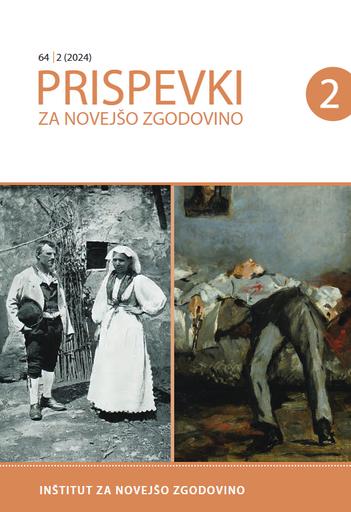
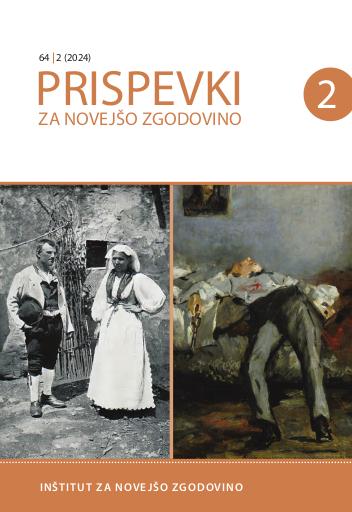
Between the 1960s and 1980s, suicide was frequently discussed as a major social issue in the Slovenian public sphere, leading to the establishment of the idea of Slovenians as a “suicide nation”. In her book “Illness as Metaphor”, Susan Sontag examines how society uses illness as a metaphor for moral, psychological, and political conditions, often resulting in the stigmatisation of patients. This perspective is valuable for understanding the repre-sentations of suicide in socialist Slovenia. This paper analyses the influence of the metaphor of the “suicide nation” on political thought and discourse in socialist Slovenia. It explores how intellectuals used or rejected this idea in their debates and how they adapted expert discussions and statistics to their political agendas. The concept of suicide as a “Slovenian problem” emerged in the late 1960s, supported by statistics and high-profile cases of suicide among young people from prominent cultural and political families.
Metadata (12)
- identifierhttps://hdl.handle.net/11686/62544
- title
- Suicide as a Slovenian Metaphor.
- On the Intellectual History of Suicide as a Metaphor in Socialist Slovenia
- Samomor kot slovenska metafora
- K intelektualni zgodovini samomora kot metafore v socialistični Sloveniji
- creator
- Marko Zajc
- contributor
- Jure Gašparič (gl. ur.)
- Mojca Šorn (ur.)
- Miha Ojsteršek (ur.)
- Andreja Jezernik (lekt.)
- Nives Kokeza (lekt.)
- Irena Vasilić Demeyere (lekt.)
- Nina Barlič (lekt.)
- subject
- samomor
- metafora
- politična misel
- socialistična Slovenija
- intelektualci
- suicide
- metaphor
- political thought
- public
- socialist Slovenia
- intellectuals
- description
- Od šestdesetih do osemdesetih let 20. stoletja je bil samomor pogosto obravnavan kot pomembno družbeno vprašanje v slovenski javnosti, kar je pripeljalo do oblikovanja ideje Slovencev kot »nacije samomorilcev«. V svoji knjigi Bolezen kot metafora Susan Sontag raziskuje, kako družba uporablja bolezen kot metaforo za moralne, psihološke in politične razmere, kar pogosto vodi v stigmatizacijo bolnikov. Ta pogled je dragocen za razumeva-nje predstav o samomoru v socialistični Sloveniji. Pričujoči članek analizira vpliv metafore »nacije samomorilcev« na politično misel in diskurz v socialistični Sloveniji. Preučuje, kako so intelektualci to idejo uporabili ali zavrnili v svojih razpravah in kako so prilagodili strokovne razprave in statistične podatke svojim političnim agendam. Koncept samomora kot »slovenskega problema« se je pojavil v poznih šestdesetih letih, podprt s statistiko in odmevnimi primeri samomorov med mladimi iz uglednih kulturnih in političnih družin.
- Between the 1960s and 1980s, suicide was frequently discussed as a major social issue in the Slovenian public sphere, leading to the establishment of the idea of Slovenians as a “suicide nation”. In her book “Illness as Metaphor”, Susan Sontag examines how society uses illness as a metaphor for moral, psychological, and political conditions, often resulting in the stigmatisation of patients. This perspective is valuable for understanding the repre-sentations of suicide in socialist Slovenia. This paper analyses the influence of the metaphor of the “suicide nation” on political thought and discourse in socialist Slovenia. It explores how intellectuals used or rejected this idea in their debates and how they adapted expert discussions and statistics to their political agendas. The concept of suicide as a “Slovenian problem” emerged in the late 1960s, supported by statistics and high-profile cases of suicide among young people from prominent cultural and political families.
- publisher
- Inštitut za novejšo zgodovino
- date
- 10. 2024
- type
- besedilo
- language
- Slovenščina
- Angleščina
- isPartOf
- rights
- license: ccByNcSa