/
Periodicals
/
Prispevki za novejšo zgodovino
Neme priče
Mikrozgodovinski pogled na samomor v sodnih spisih prve polovice 20. stoletja
Silent Witnesses
Micro-Historical Perspectives on Suicide in the Court Records of the First Half of the 20th Century

This work by Meta Remec is licensed under Creative Commons Attribution-NonCommercial-ShareAlike 4.0 International
Files (1)
Description
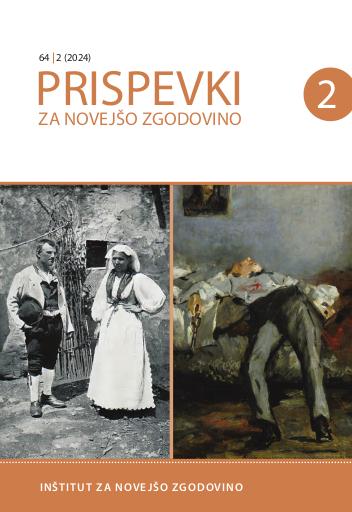
Based on the archival materials from the Celje and Maribor District Courts (Kreisgerichte) and the specific cases from the Trbovlje County Court (Bezirksgericht), referring to the areas with the highest suicide rates in the Drava Banate, this article examines suicide in the first half of the 20th century. Based on individual cases from judicial practice, as well as newspaper reports, the article sheds light on the social, economic and regional conditions in the considered areas in the first half of the 20th century, as well as the position of women in society and the prevalence of family and sexual violence. At the time when the increasing suicide rates were attributed to the aftermath of World War I, the effects of the economic crisis, and alcoholism, the article analyses the presence and gradual dominance of psychological and psychiatric discourse in determining the causes of individual suicides. By analysing the individual cases, the author presents the attitude towards suicide in rural areas – the shame and stigma still felt by the family members when a relative of theirs commits suicide. The author analyses cases where either the suicide could not be identified or when the corps of the deceased was not found, as well as cases of suicide due to fear and/or shame due to crimes committed. Furthermore, the article focuses on the phenomenon of female sui-cide and, in this context, on the examples of murder-suicide and the role of women in them, analyses the contemporaneous media discourse, and describes the course of the investigations in the cases where it was not clear whether the death had resulted from suicide or murder.
Metadata (12)
- identifierhttps://hdl.handle.net/11686/62542
- title
- Neme priče
- Mikrozgodovinski pogled na samomor v sodnih spisih prve polovice 20. stoletja
- Silent Witnesses
- Micro-Historical Perspectives on Suicide in the Court Records of the First Half of the 20th Century
- creator
- Meta Remec
- contributor
- Jure Gašparič (gl. ur.)
- Mojca Šorn (ur.)
- Miha Ojsteršek (ur.)
- Andreja Jezernik (lekt.)
- Nives Kokeza (lekt.)
- Irena Vasilić Demeyere (lekt.)
- Nina Barlič (lekt.)
- subject
- samomor
- socialna zgodovina
- mikrozgodovina
- sodni spisi
- samomor žensk
- umor-samomor
- Dravska banovina
- suicide
- social history
- microhistory
- court files
- female suicide
- murder-suicide
- Drava Banate
- description
- Članek na podlagi arhivskega gradiva Okrožnega sodišča v Celju, Okrožnega sodišča v Mariboru in posameznih primerov z Okrajnega sodišča v Trbovljah, ki so imela pristojnost na območjih z najvišjo stopnjo samomorilnosti v okviru Dravske banovine, obravnava pri-mere samomora v prvi polovici 20. stoletja na mikroravni. Na podlagi posameznih primerov iz sodne prakse in časopisnih poročil osvetljuje socialne, ekonomske in regionalne razmere na obravnavanih območjih v prvi polovici 20. stoletja pa tudi položaj žensk v družbi ter razširjenost družinskega in spolnega nasilja. V obdobju, ko so naraščajoče stopnje samomo-rilnosti pripisovali posledicam prve svetovne vojne, vplivu ekonomske krize in alkoholizma, analizira prisotnost in postopno prevlado psihološkega in psihiatričnega diskurza v zvezi z določanjem vzrokov za posamezne primere samomorov. S pomočjo analize posameznih primerov prikaže odnos do samomora na podeželju ter sramoto in stigmo, ki so jo družinski člani še vedno čutili ob samomoru sorodnika. Analizira tudi primere, ko samomorilca bodisi ni bilo mogoče identificirati ali ko truplo pokojnika ni bilo najdeno, ter primere samomorov zaradi strahu in/ali sramote zaradi zagrešenih kaznivih dejanj. Poleg tega posebno pozor-nost namenja fenomenu samomora žensk in znotraj tega ob primerih umora-samomora ter vlogi žensk pri tem analizira takratni medijski diskurz in prikaže potek preiskav takrat, ko ni bilo jasno, ali je smrt nastopila kot posledica samomora ali umora.
- Based on the archival materials from the Celje and Maribor District Courts (Kreisgerichte) and the specific cases from the Trbovlje County Court (Bezirksgericht), referring to the areas with the highest suicide rates in the Drava Banate, this article examines suicide in the first half of the 20th century. Based on individual cases from judicial practice, as well as newspaper reports, the article sheds light on the social, economic and regional conditions in the considered areas in the first half of the 20th century, as well as the position of women in society and the prevalence of family and sexual violence. At the time when the increasing suicide rates were attributed to the aftermath of World War I, the effects of the economic crisis, and alcoholism, the article analyses the presence and gradual dominance of psychological and psychiatric discourse in determining the causes of individual suicides. By analysing the individual cases, the author presents the attitude towards suicide in rural areas – the shame and stigma still felt by the family members when a relative of theirs commits suicide. The author analyses cases where either the suicide could not be identified or when the corps of the deceased was not found, as well as cases of suicide due to fear and/or shame due to crimes committed. Furthermore, the article focuses on the phenomenon of female sui-cide and, in this context, on the examples of murder-suicide and the role of women in them, analyses the contemporaneous media discourse, and describes the course of the investigations in the cases where it was not clear whether the death had resulted from suicide or murder.
- publisher
- Inštitut za novejšo zgodovino
- date
- 10. 2024
- type
- besedilo
- language
- Slovenščina
- Angleščina
- isPartOf
- rights
- license: ccByNcSa