
/
Periodicals
/
Zgodovina za vse
A Journey from Goličava to Goli otok
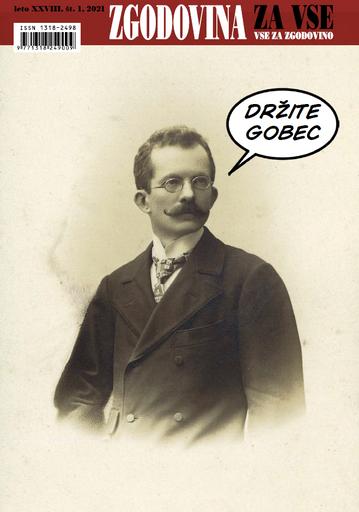
Author(s):Božidar Jezernik
Co-author(s):Borut Batagelj (gl. ur.), Simon Zupan (prev.), Tina Bahovec (prev.)
Leto:2021
Publisher(s):Zgodovinsko društvo Celje, Celje
Source(s):Zgodovina za vse, 2021, št. 1
Language(s):slovenščina, angleščina
Type(s) of material:text
Keywords:Jože Jurančič, koncentracijska taborišča, Rab, Goli otok, spominska obeležja, Jože Jurančič, concentration camp, Rab, Goli otok, memorials
Rights:
This work by Božidar Jezernik is licensed under Creative Commons Attribution-NonCommercial-ShareAlike 4.0 International
Files (1)
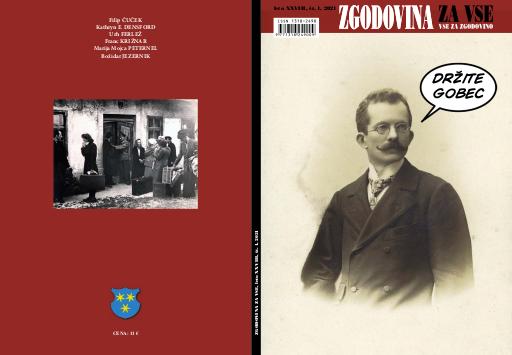
Name:Zgodovina za vse 2021-1.pdf
Size:4.94MB
Format:application/pdf
Permanent link:https://hdl.handle.net/11686/file37585
Description
The article presents the life of Jože Jurančič (1902-1998), who after completing a teacher training program, taught at various schools, mostly in remote rural areas, where the authorities deployed him as a disciplinary measure because of his affinity for Communism. During the Second World War, the Italian occupying authorities first kept him prisoner for several months in Novo mesto and Ljubljana because of his views, which was followed by internment in the concentration camp on the island of Rab. In the concentration camp, Jurančič first established a secret Communist Party Committee not long after his arrival and then the Liberation Front Committee (odbor Osvobodilne fronte) of the concentration camp. In September 1943, the LFC accomplished a feat that remains unique in history. Around 2,000 unarmed internees disarmed the Italian military unit on Rab, which comprised around 2,200 heavily armed and trained soldiers and Carabinieri. Even more impressive was the fact that no soldier or Carabinieri was executed. In 1953, he was relocated first to the Bileća concentration camp and then to Goli otok. After the First World War, Jurančič joined General Rudolf Maister’s units as a 16-year-old volunteer and participated in the “struggle for the northern border”, meant to secure a more favorable demarcation line for Slovenians bordering on Austria. In 1953, the question of the boundary between Italy and Yugoslavia became a burning problem. In the propaganda war, Yugoslavia heavily underscored the plight of Rab internees and renovated the cemetery that was the final resting place for over a thousand internees. The laborers who performed the reconstruction included internees from Goli otok, among them Jože Jurančič. This meant that Jurančič helped build a monument to himself and to the unique historic event that he had led. Yet, in the ceremony that took place at the Rab memorial cemetery on 13 September 1953, no one mentioned his name, not even his closest companions from the camp’s Liberation Front organization.
Metadata (12)
- identifierhttps://hdl.handle.net/11686/58157
- title
- Potovanje od Goličave do Golega otoka
- A Journey from Goličava to Goli otok
- creator
- Božidar Jezernik
- contributor
- Borut Batagelj (gl. ur.)
- Simon Zupan (prev.)
- Tina Bahovec (prev.)
- subject
- Jože Jurančič
- koncentracijska taborišča
- Rab
- Goli otok
- spominska obeležja
- Jože Jurančič
- concentration camp
- Rab
- Goli otok
- memorials
- description
- The article presents the life of Jože Jurančič (1902-1998), who after completing a teacher training program, taught at various schools, mostly in remote rural areas, where the authorities deployed him as a disciplinary measure because of his affinity for Communism. During the Second World War, the Italian occupying authorities first kept him prisoner for several months in Novo mesto and Ljubljana because of his views, which was followed by internment in the concentration camp on the island of Rab. In the concentration camp, Jurančič first established a secret Communist Party Committee not long after his arrival and then the Liberation Front Committee (odbor Osvobodilne fronte) of the concentration camp. In September 1943, the LFC accomplished a feat that remains unique in history. Around 2,000 unarmed internees disarmed the Italian military unit on Rab, which comprised around 2,200 heavily armed and trained soldiers and Carabinieri. Even more impressive was the fact that no soldier or Carabinieri was executed. In 1953, he was relocated first to the Bileća concentration camp and then to Goli otok. After the First World War, Jurančič joined General Rudolf Maister’s units as a 16-year-old volunteer and participated in the “struggle for the northern border”, meant to secure a more favorable demarcation line for Slovenians bordering on Austria. In 1953, the question of the boundary between Italy and Yugoslavia became a burning problem. In the propaganda war, Yugoslavia heavily underscored the plight of Rab internees and renovated the cemetery that was the final resting place for over a thousand internees. The laborers who performed the reconstruction included internees from Goli otok, among them Jože Jurančič. This meant that Jurančič helped build a monument to himself and to the unique historic event that he had led. Yet, in the ceremony that took place at the Rab memorial cemetery on 13 September 1953, no one mentioned his name, not even his closest companions from the camp’s Liberation Front organization.
- publisher
- Zgodovinsko društvo Celje
- date
- 2021
- 01. 01. 2021
- type
- besedilo
- language
- Slovenščina
- Angleščina
- isPartOf
- rights
- license: ccByNcSa