/
Events
/
Conferences
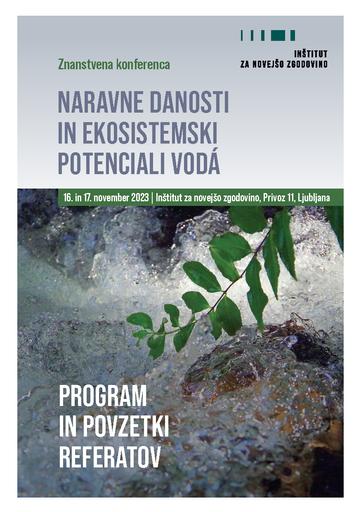
Socialistično kmetijstvo na vodi
Kmetijska posestva na Ljubljanskem barju
Author(s):Lev Centrih
Leto:2023
Publisher(s):Inštitut za novejšo zgodovino, Ljubljana
Language(s):angleščina
Type(s) of material:moving image
Rights:
This work by Lev Centrih is licensed under Creative Commons Attribution-NonCommercial-ShareAlike 4.0 International
Files (2)
Description
The Ljubljana Marsh area covers 163.3 km² or 16,327 ha of land. Between the second half of the 18th century and at least the end of the 1960s, i.e. for almost two hundred years, various authorities kept investing much hope in it. First, they expected draining to turn the Marsh into one of the most abundant granaries of the Habsburg Monarchy. As the results were unsatisfactory, these expectations were lowered somewhat after World War II, so after successful land reclamation and consolidation, the Marsh was supposed to supply the Ljubljana food market with sufficient quantities of fresh vegetables, meat, and milk. Despite the efforts, including serious pedological research and investments that became more extensive from the second half of the 1950s onwards, at the beginning of the 1960s, the geographer Avguštin Lah noted that the Ljubljana Marsh was becoming less and less agricultural, despite the drainage. As of that point, the social agricultural holdings in the Marsh were plagued by profitability problems, while as of the 1970s, the initial diversity of the local agricultural production became increasingly limited to pasture grazing. In the 1980s, it finally became clear that the cost of a complete overhaul of the ditches and drainage channels (300 km) would not outweigh the economic benefits. Many parts of the Marsh were gradually overgrown by weedy thickets and marsh horsetail, poisonous to livestock.
Metadata (10)
- identifierhttps://hdl.handle.net/11686/58084
- title
- Socialistično kmetijstvo na vodi
- Kmetijska posestva na Ljubljanskem barju
- creator
- Lev Centrih
- subject
- Ljubljanskko barje
- kmetije
- posestva
- socializem
- publisher
- Inštitut za novejšo zgodovino
- date
- 2023
- 16. 11. 2023
- type
- video
- language
- Angleščina
- isPartOf
- rights
- license: ccByNcSa