/
Events
/
Conferences
Pomen izsuševanja in ureditve Ljubljanskega barja za gospodarski razvoj do začetka druge svetovne vojne
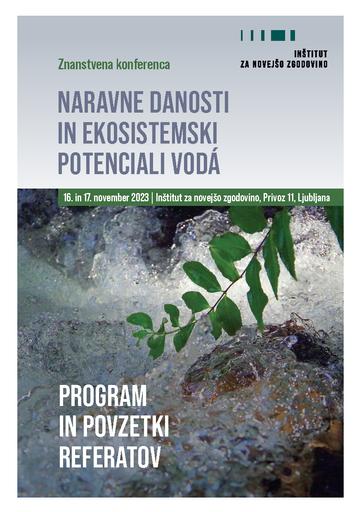
Author(s):Nataša Henig Miščič
Leto:2023
Publisher(s):Inštitut za novejšo zgodovino, Ljubljana
Language(s):angleščina
Type(s) of material:moving image
Rights:
This work by Nataša Henig Miščič is licensed under Creative Commons Attribution-NonCommercial-ShareAlike 4.0 International
Files (2)
Description
The contribution discusses the importance of the Ljubljana Marshes for
economic development. The potential and the idea of turning this area into
a fertile granary had emerged already in the 18th century. The first attempts
to drain the Marshes date back to this period, and the regulation of the river
Ljubljanica played an important role. The first attempts were more or less
unsuccessful, and the issue of the Ljubljana Marshes was repeatedly under
the spotlight. A new, more intensive period emerged in the middle of the
19th century with the establishment of the Main Committee for the Ljubljana
Marshes. The Committee was concerned with the process of draining the
Marshes and their adaptation to more intensive farming.
The Ljubljana Marshes were also important for the city of Ljubljana and
later for the Drava Banate. The efforts encompassed various operations
such as amelioration or regulation and drainage, water construction, water
supply, flood control, and transport infrastructure construction. Financial
institutions, especially the Kranjska hranilnica and the Mestna hranilnica
ljubljanska savings banks, played a vital role in financing these complex
projects during the Austro-Hungarian Empire and in the 1920s. Until
World War II, the Drava Banate was intensively involved in the issue of the
Ljubljana Marshes. It received financial support from the Hranilnica Dravske
banovine savings bank, which offered special, so-called amelioration loans.
In addition to the economic potential and financing of projects, the
present contribution examines the questions addressing the history of
environmental issues. The Ljubljana Marshes are one of the most changed
areas, not only in the vicinity of Ljubljana but also in the wider region. The
contribution also considers the process of human intervention in nature,
which has had long-term consequences.
Metadata (10)
- identifierhttps://hdl.handle.net/11686/58081
- title
- Pomen izsuševanja in ureditve Ljubljanskega barja za gospodarski razvoj do začetka druge svetovne vojne
- creator
- Nataša Henig Miščič
- subject
- Ljubljansko barje
- izsuševanje
- gospodarski razvoj
- publisher
- Inštitut za novejšo zgodovino
- date
- 2023
- 16. 11. 2023
- type
- video
- language
- Angleščina
- isPartOf
- rights
- license: ccByNcSa