/
Periodicals
/
Prispevki za novejšo zgodovino
The Hour of European Truth for Slovenian Intellectuals
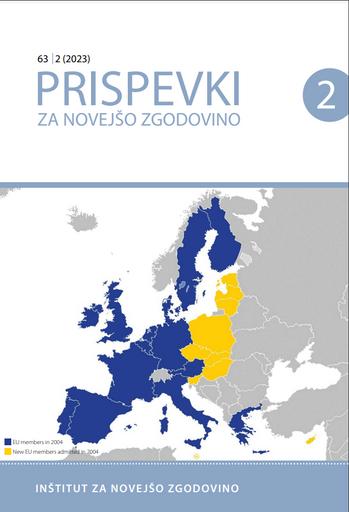
Author(s):Marko Zajc
Co-author(s):dr. Jure Gašparič (gl. ur.), Andreja Jezernik (lekt.), Linda Kosmyryk (lekt.), Studio S.U.R (prev.)
Leto:2023
Publisher(s):Inštitut za novejšo zgodovino, Ljubljana
Language(s):slovenščina, angleščina
Type(s) of material:text
Keywords:intelektualci, evroskepticizem, približevanje EU, slovenska politika, intellectuals, Euroscepticism, EU accession, Slovenian politics
Rights:
This work by Marko Zajc is licensed under Creative Commons Attribution-NonCommercial-ShareAlike 4.0 International
Files (1)
Name:prispevki2.pdf
Size:7.37MB
Format:application/pdf
Permanent link:https://hdl.handle.net/11686/file36989
Description
In this paper, the author presents and analyses the political activity of Slovenian opposition intellectuals during the period of Slovenia’s EU accession (1995-97). In the summer of 1997, a group of intellectuals from the Nova revija circle published a letter to the public titled “The Hour of European Truth for Slovenia”, in which they criticised the social and political situation and the government’s poor policy on EU and NATO accession. . The signatories of the letter perceived the then rule of the Liberal Democratic Party (LDS), the successor of the official youth organisation under socialism, as undemocratic rule by former communists who held all the strings of power. They opposed the agreement with Italy on the purchase of Slovenian real estate (the so-called Spanish Compromise). Although in principle they were in favour of EU membership, they also collaborated in their activism with a group of outspoken Eurosceptics. In the first part of the paper, the author presents Slovenian politics in the 1990s, while in the second part he briefly describes the process of Slovenia’s accession to the EU and NATO. In the third part, the author describes the background and activities of the group of intellectuals in question. The fourth part analyses the public letter and public reactions to this. In the conclusion, the author poses the question whether the authors of The Hour of European Truth were Eurosceptics. In his opinion, the concept of Euroscepticism does not help us understand the complex and ambivalent attitudes of political actors towards Europe and the EU. In conclusion, the author highlights the trajectory of Slovenian anti-communist political thought up to the present day.
Metadata (12)
- identifierhttps://hdl.handle.net/11686/57425
- title
- The Hour of European Truth for Slovenian Intellectuals
- Ura evropske resnice za slovenske intelektualce
- creator
- Marko Zajc
- contributor
- dr. Jure Gašparič (gl. ur.)
- Andreja Jezernik (lekt.)
- Linda Kosmyryk (lekt.)
- Studio S.U.R (prev.)
- subject
- intelektualci
- evroskepticizem
- približevanje EU
- slovenska politika
- intellectuals
- Euroscepticism
- EU accession
- Slovenian politics
- description
- In this paper, the author presents and analyses the political activity of Slovenian opposition intellectuals during the period of Slovenia’s EU accession (1995-97). In the summer of 1997, a group of intellectuals from the Nova revija circle published a letter to the public titled “The Hour of European Truth for Slovenia”, in which they criticised the social and political situation and the government’s poor policy on EU and NATO accession. . The signatories of the letter perceived the then rule of the Liberal Democratic Party (LDS), the successor of the official youth organisation under socialism, as undemocratic rule by former communists who held all the strings of power. They opposed the agreement with Italy on the purchase of Slovenian real estate (the so-called Spanish Compromise). Although in principle they were in favour of EU membership, they also collaborated in their activism with a group of outspoken Eurosceptics. In the first part of the paper, the author presents Slovenian politics in the 1990s, while in the second part he briefly describes the process of Slovenia’s accession to the EU and NATO. In the third part, the author describes the background and activities of the group of intellectuals in question. The fourth part analyses the public letter and public reactions to this. In the conclusion, the author poses the question whether the authors of The Hour of European Truth were Eurosceptics. In his opinion, the concept of Euroscepticism does not help us understand the complex and ambivalent attitudes of political actors towards Europe and the EU. In conclusion, the author highlights the trajectory of Slovenian anti-communist political thought up to the present day.
- publisher
- Inštitut za novejšo zgodovino
- date
- 2023
- 25. 10. 2023
- type
- besedilo
- language
- Slovenščina
- Angleščina
- isPartOf
- rights
- license: ccByNcSa