
/
Periodicals
/
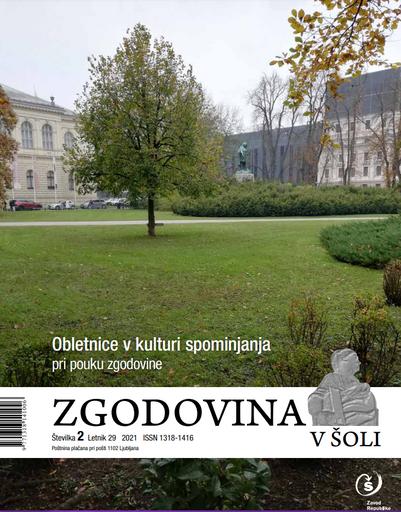
Zgodovina v šoli
Historical novelist Josip Jurčič : on the 140th anniversary of his death
Co-author(s):Vilma Brodnik (odg. ur.), Tine Logar (lekt.)
Leto:2021
Publisher(s):Zavod RS za šolstvo, Ljubljana
Source(s):Zgodovina v šoli, 2021, št. 2
Language(s):slovenščina
Type(s) of material:text
Keywords:Josip Jurčič, zgodovinski roman, feljtonski roman, Walter Scott, kmečka povest, Josip Jurčič, historical novel, feuilleton novel, Sir Walter Scott, rural novel
Rights:
This work by Miran Hladnik, Urška Perenič is licensed under Creative Commons Attribution-NonCommercial-ShareAlike 4.0 International
Files (1)
Name:zgodovina v soli-splet_2 2021.pdf
Size:5.26MB
Format:application/pdf
Permanent link:https://hdl.handle.net/11686/file36988
Description
Josip Jurčič (1844–1881) is considered the first important Slovenian storyteller, which has given him the status and reputation of a Slovenian classic. He has established primacy in several fields: he is the author of the first Slovenian novel (Deseti brat [The Tenth Brother], 1866), of the first Slovenian historical novel in feuilleton form (Ivan Erazem Tattenbach, 1873) and of the first Slovenian historical tragedy (Tugomer, 1876). He created the generative type of Turkish novel and is also considered the pioneer of the rural novel. In the field of cultural history, he also has primacy in journalism, for he was the first professional Slovenian journalist and editor. He edited the liberal newspaper Slovenski narod [Slovenian Nation] for about ten years, moving it from Maribor to Ljubljana, the provincial centre of Carniola. Despite his daily work load as a journalist and editor, he never stopped publishing fiction. In the last decade of his life, he wrote short stories (“Lipe” [Lime Trees], “Pipa tobaka” [A Tobacco Pipe], “Telečja pečenka” [A Veal Roast], “Vrban Smukova ženitev” [The Marriage of Vrban Smuk]) and novels (Doktor Zober [Doctor Zober], Med dvema stoloma [Between Two Chairs] and Cvet in sad [The Blossom and the Fruit]); his premature death in early May 1881 prevented him from finishing his tragedy about Veronika of Desenice. He was inspired by the alluring narrative of Sir Walter Scott; moreover, one cannot overlook his commitment to local history, to the educational storytelling tradition of Christoph Schmid, and to the literary programme of Fran Levstik.
Metadata (12)
- identifierhttps://hdl.handle.net/11686/57412
- title
- Zgodovinski romanopisec Josip Jurčič : ob 140. obletnici njegove smrti
- Historical novelist Josip Jurčič : on the 140th anniversary of his death
- creator
- Miran Hladnik
- Urška Perenič
- contributor
- Vilma Brodnik (odg. ur.)
- Tine Logar (lekt.)
- subject
- Josip Jurčič
- zgodovinski roman
- feljtonski roman
- Walter Scott
- kmečka povest
- Josip Jurčič
- historical novel
- feuilleton novel
- Sir Walter Scott
- rural novel
- description
- Josip Jurčič (1844–1881) is considered the first important Slovenian storyteller, which has given him the status and reputation of a Slovenian classic. He has established primacy in several fields: he is the author of the first Slovenian novel (Deseti brat [The Tenth Brother], 1866), of the first Slovenian historical novel in feuilleton form (Ivan Erazem Tattenbach, 1873) and of the first Slovenian historical tragedy (Tugomer, 1876). He created the generative type of Turkish novel and is also considered the pioneer of the rural novel. In the field of cultural history, he also has primacy in journalism, for he was the first professional Slovenian journalist and editor. He edited the liberal newspaper Slovenski narod [Slovenian Nation] for about ten years, moving it from Maribor to Ljubljana, the provincial centre of Carniola. Despite his daily work load as a journalist and editor, he never stopped publishing fiction. In the last decade of his life, he wrote short stories (“Lipe” [Lime Trees], “Pipa tobaka” [A Tobacco Pipe], “Telečja pečenka” [A Veal Roast], “Vrban Smukova ženitev” [The Marriage of Vrban Smuk]) and novels (Doktor Zober [Doctor Zober], Med dvema stoloma [Between Two Chairs] and Cvet in sad [The Blossom and the Fruit]); his premature death in early May 1881 prevented him from finishing his tragedy about Veronika of Desenice. He was inspired by the alluring narrative of Sir Walter Scott; moreover, one cannot overlook his commitment to local history, to the educational storytelling tradition of Christoph Schmid, and to the literary programme of Fran Levstik.
- publisher
- Zavod RS za šolstvo
- date
- 2021
- 02. 02. 2021
- type
- besedilo
- language
- Slovenščina
- isPartOf
- rights
- license: ccByNcSa