/
Periodicals
/
Kronika: časopis za slovensko krajevno zgodovino
Social care in Ljubljana during the First World War and in the decade that followed
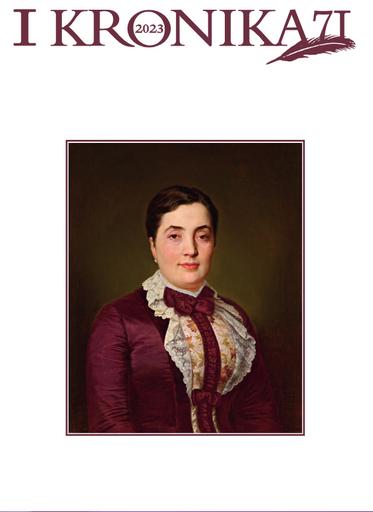
Author(s):Mojca Šorn
Co-author(s):Miha Preinfalk (odg. ur.), Manca Gasperšič (prev.), Rok Janežič (lekt.)
Leto:2023
Publisher(s):Zveza zgodovinskih društev Slovenije, Ljubljana
Source(s):Kronika, 2023, št. 1
Language(s):slovenščina, angleščina
Type(s) of material:text
Keywords:socialno skrbstvo, Ljubljana, prva svetovna vojna, dvajseta leta 20. stoletja, social care, Ljubljana, First World War, 1920s
Rights:
This work by Mojca Šorn is licensed under Creative Commons Attribution-NonCommercial-ShareAlike 4.0 International
Files (1)
Name:kronika_71_2023_1_A.pdf
Size:14.10MB
Format:application/pdf
Permanent link:https://hdl.handle.net/11686/file36115
Description
Amid the nineteenth-century economic liberalism, care for the poor, which had until then been sporadically and
unsystematically provided by public and private institutions through various measures and activities, no longer offered an adequate response to the growing social crisis. The new economic system clearly needed to incorporate a strategy aimed at finding global solutions to social issues. The article discusses the formulation of principles aimed at regulating relations between individuals and social institutions in Ljubljana by focusing on persons and the system which provided the socially disadvantaged groups with basic social and medical care during the First World War and in the decade that followed.
Metadata (11)
- identifierhttps://hdl.handle.net/11686/56429
- title
- Socialno skrbstvo v Ljubljani med prvo svetovno vojno in v desetletju po njej
- Social care in Ljubljana during the First World War and in the decade that followed
- creator
- Mojca Šorn
- contributor
- Miha Preinfalk (odg. ur.)
- Manca Gasperšič (prev.)
- Rok Janežič (lekt.)
- subject
- socialno skrbstvo
- Ljubljana
- prva svetovna vojna
- dvajseta leta 20. stoletja
- social care
- Ljubljana
- First World War
- 1920s
- publisher
- Zveza zgodovinskih društev Slovenije
- date
- 2023
- 01. 01. 2023
- type
- besedilo
- language
- Slovenščina
- Angleščina
- isPartOf
- rights
- license: ccByNcSa