
/
Periodicals
/
Zgodovinski časopis
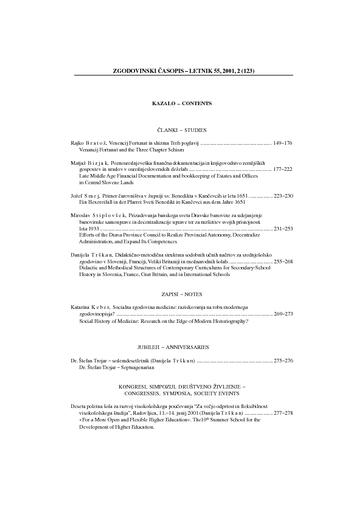
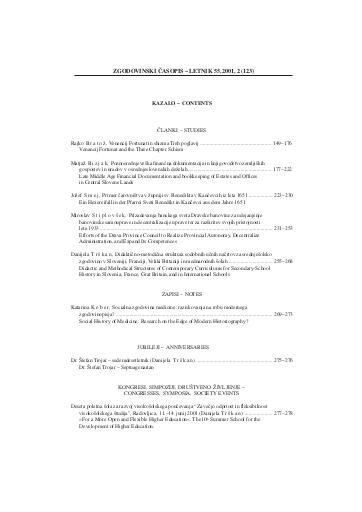
Didactic and Methodical Structures of Contemporary Curriculums for Secondary-School History in Slovenia, France, Grat Britain, and in International Schools
Author(s):Danijela Trškan
Co-author(s):Peter Štih (odg. ur.)
Leto:2001
Publisher(s):Zveza zgodovinskih društev Slovenije, Ljubljana
Source(s):Zgodovinski časopis, 2001, št. 2
Language(s):slovenščina
Type(s) of material:text
Keywords:srednješolska zgodovina, učni načrti, učna vsebina, učni cilji, secondary-school history, curriculums, educational contents, educational goals
Rights:
This work by Danijela Trškan is licensed under Creative Commons Attribution-NonCommercial-ShareAlike 4.0 International
Files (1)
Name:ZC_2_-_2001.pdf
Size:1.07MB
Format:application/pdf
Permanent link:https://hdl.handle.net/11686/file50
Description
The author analyzes didactic and methodic structures of contemporary curriculums, emphasizing
curriculum design, contents and objectives. The contents must contain valid messages;
it is also necessary to consider the extent of instruction, pupils’ age, requirement degree,
reduction, selection, organization of educational contents and contents thematization. Presented
will be different aspects and kinds of teaching objectives with concrete examples from
secondary-school history (in Slovenia, France, Grat Britain and in international schools). In
the course of the learning process, sistematically designed curriculums, which encompass
goals, objectives, contents thematization, teaching and learning methods, teaching aids,
manners of verifying and grading knowledge and instructions, are of essential importance for
teachers.
Metadata (12)
- identifierhttps://hdl.handle.net/11686/5380
- title
- Didaktično-metodična struktura sodobnih učnih načrtov za srednješolsko zgodovino v Sloveniji, Franciji, Veliki Britaniji in mednarodnih šolah
- Didactic and Methodical Structures of Contemporary Curriculums for Secondary-School History in Slovenia, France, Grat Britain, and in International Schools
- creator
- Danijela Trškan
- contributor
- Peter Štih (odg. ur.)
- subject
- srednješolska zgodovina
- učni načrti
- učna vsebina
- učni cilji
- secondary-school history
- curriculums
- educational contents
- educational goals
- description
- The author analyzes didactic and methodic structures of contemporary curriculums, emphasizing curriculum design, contents and objectives. The contents must contain valid messages; it is also necessary to consider the extent of instruction, pupils’ age, requirement degree, reduction, selection, organization of educational contents and contents thematization. Presented will be different aspects and kinds of teaching objectives with concrete examples from secondary-school history (in Slovenia, France, Grat Britain and in international schools). In the course of the learning process, sistematically designed curriculums, which encompass goals, objectives, contents thematization, teaching and learning methods, teaching aids, manners of verifying and grading knowledge and instructions, are of essential importance for teachers.
- Avtorica predstavlja didaktično-metodično strukturo sodobnih učnih načrtov, še posebej pa izpostavlja načrtovanje učnih načrtov, zlasti vsebine in ciljev. Pri vsebinskem načrtovanju učnega načrta izpostavlja sporočilnost, obseg, poglobljenost, starostno stopnjo učencev, težavnost, redukcijo, izbor, razporeditev učne vsebine in tematizacijo vsebine. Pri učno-ciljnem načrtovanju učnega načrta pa predstavlja različne vidike in vrste učnih ciljev s konkretnimi primeri za srednješolsko zgodovino (v Sloveniji, Franciji, Veliki Britaniji in mednarodnih šolah). Sistematično načrtovanje učnih načrtov, ki vključuje namen, cilje, tematizacijo vsebine, načine učenja in poučevanja, učna sredstva, načine preverjanja in ocenjevanja znanja ter navodila, pa je izrednega pomena za učitelje, saj z njihovo pomočjo izvajajo vzgojnoizobraževalno delo.
- publisher
- Zveza zgodovinskih društev Slovenije
- date
- 2001
- type
- besedilo
- language
- Slovenščina
- isPartOf
- rights
- license: ccByNcSa