/
Periodicals
/
Razprave in gradivo
European plurilingualism from a national language perspective
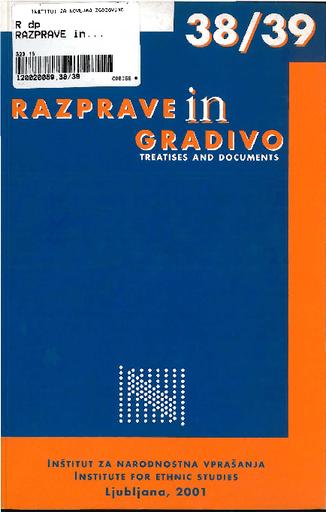
Author(s):Albina Nećak Lük
Co-author(s):Boris Jesih (odg. ur.), Mitja Žagar (gl. ur.)
Leto:2001
Publisher(s):Inštitut za narodnostna vprašanja, Ljubljana
Source(s):Razprave in gradivo, 2001, št. 38-39
Language(s):angleščina
Type(s) of material:text
Files (1)
Name:Razprave_in_gradiva-38-39.pdf
Size:35.89MB
Format:application/pdf
Permanent link:https://hdl.handle.net/11686/file463
Description
The expected flow of information, people and goods within the United Europe requires a reflection regarding efficient communication among different language communities, across language and cultural boundaries. This aim shouldbe achieved by means of expanded offer and intensive learning of foreignlanguages in the EU member states. The ability of communication in several languages should make it possible for the population of member states and member candidates to enjoy equal starting-point conditions at the challenges of growing international mobility in the United Europe it should strengthen cooperation in the fields of education, culture and science, as well as in commerce and industry, and contribute to the overcoming of prejudice and elimination of discrimination. Multilingualism is in the processof becoming a sort of an identity card of European citizenship.The multilingualism of citizens - a good command of a national language being a main prerequisite here - should therefore contribute not only to better understanding and tolerance, but also to respect of language identity and cultural diversity of Europe. Despite this, a number of questions is being raised regarding the future status and functions of national languages in relation to the emerging European multilingualism. Especially lesser used languages, including Slovene, ought to have an elaborate, integral strategy and tactics. The article brings a few reflections on language issues in Slovenia in the European Year of Languages.
Metadata (11)
- identifierhttps://hdl.handle.net/11686/4843
- title
- European plurilingualism from a national language perspective
- Nacionalna jezikovna politika v evropski večjezični perspektivi
- creator
- Albina Nećak Lük
- contributor
- Boris Jesih (odg. ur.)
- Mitja Žagar (gl. ur.)
- subject
- Evropska unija
- jezikovna politika
- manj razširjeni jeziki
- multilingvizem
- EU
- multilingualism
- language policy
- lesser used languages
- description
- The expected flow of information, people and goods within the United Europe requires a reflection regarding efficient communication among different language communities, across language and cultural boundaries. This aim shouldbe achieved by means of expanded offer and intensive learning of foreignlanguages in the EU member states. The ability of communication in several languages should make it possible for the population of member states and member candidates to enjoy equal starting-point conditions at the challenges of growing international mobility in the United Europe it should strengthen cooperation in the fields of education, culture and science, as well as in commerce and industry, and contribute to the overcoming of prejudice and elimination of discrimination. Multilingualism is in the processof becoming a sort of an identity card of European citizenship.The multilingualism of citizens - a good command of a national language being a main prerequisite here - should therefore contribute not only to better understanding and tolerance, but also to respect of language identity and cultural diversity of Europe. Despite this, a number of questions is being raised regarding the future status and functions of national languages in relation to the emerging European multilingualism. Especially lesser used languages, including Slovene, ought to have an elaborate, integral strategy and tactics. The article brings a few reflections on language issues in Slovenia in the European Year of Languages.
- Načrtovan pretok informacij, ljudi in dobrin v Ždruženi Evropi terja premislek tudi glede učinkovitega sporazumevanja med različnimi jezikovnimi skupnostmi, med rojenimi govorci različnih jezikov; sporazumevanja preko jezikovnih in kulturnih meja. Ta cilj naj bi bil dosežen z razširjeno ponudbo in intenzivnim učenjem tujih jezikov v državah članicah EU. Zmožnost sporazumevanja v več jezikih naj prebivalstvu držav članic in kandidatk za pridružitev omogoči enakopravne izhodiščne pogoje ob izzivih naraščajoče mednarodne mobilnosti, v skupnem evropskem prostoru naj pospeši in okrepi sodelovanje na področju izobraževanja, kulture in znanosti, kakor tudi na področju trgovine in industrije, prispeva naj k preseganju predsodkov in k odpravi diskriminacije. Večjezičnost postaja neke vrste izkaznica za evropsko državljanstvo. Evropski dokumenti pojasnjujejo zavzemanje za širjenje učenja in poučevanja jezikov, tujih, sosednih in manjšinskih/regionalnih tudi skrb zaevropsko dediščino različnih jezikov in kultur, ki jo je kot dragoceno skupno imetje treba varovati in razvijati. Vsi napori, zlasti v izobraževanju,naj prispevajo k temu, da jezikovna in kulturna pestrost namesto ovire pri spoznavanju postane vir vzajemne bogatitve in razumevanja. Prav večjezičnost državljanov - temeljito znanje nacionalnega jezika je ob tem prvi pogoj - naj torej prispeva ne le k boljšemu razumevanju in strpnosti, temveč tudi k spoštovanju jezikovne identitete in kulturne raznolikosti Evrope. Kljub temu se ob tem odpira vrsta vprašanj o prihodnjem statusu in funkcijah nacionalnih jezikov v razmerju do porajajoče se evropske večjezičnosti. Posebno manj razširjeni jeziki, med takšne sodi tudi slovenski,bi morali imeti ob tem izdelano, celovito strategijo in taktiko. Pričujoči zapis prinaša nekaj razmišljanj o jezikovnih vprašanjih v Sloveniji ob Evropskem letu jezikov.
- publisher
- Inštitut za narodnostna vprašanja
- date
- 2001
- type
- besedilo
- language
- Angleščina
- isPartOf