
/
Periodicals
/
Kronika: časopis za slovensko krajevno zgodovino
"Honour and praise will always be given to you your Grace ..."
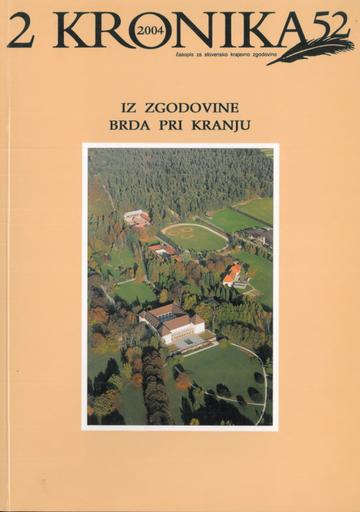
Author(s):Maja Žvanut
Co-author(s):Aleš Gabrič (odg. ur.)
Leto:2004
Publisher(s):Zveza zgodovinskih društev Slovenije, Ljubljana
Source(s):Kronika, 2004, št. 2
Language(s):slovenščina
Type(s) of material:text
Keywords:Brdo pri Kranju, plemiška čast, slava in moč, Brdski (Egki), Gallenbergi, reprezentiranje v družbi, Brdo at Kranj, noble esteem, fame and power, the Brdski (Egkh), the Gallenbergs, representing in society
Rights:
This work by Maja Žvanut is licensed under Creative Commons Attribution-NonCommercial-NoDerivs 4.0 International
Files (1)
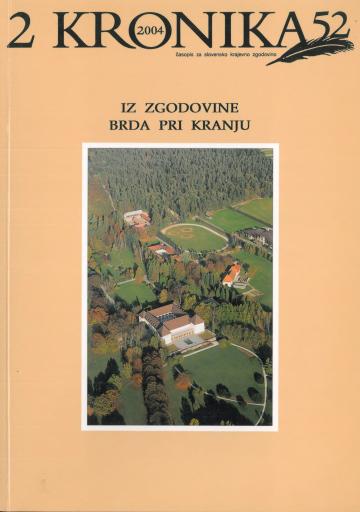
Name:Kronika-2004_2.pdf
Size:79.23MB
Format:application/pdf
Permanent link:https://hdl.handle.net/11686/file367
Description
The will for power, honour and glory has always been a typical component of the noble perception. The author presents on the case of particular related members of the Brdski and Gallenberg families who owned the Brdo estate in the 16th and 17th centuries, by what ways they were attaining social power, and by what means they maintained their image and took care of their fame. At the time of the renaissance, power was attained by property, gained in a manner we call early capitalist, while fame by heroism at war and by building achievements. Two hundred years later building achievements were still of great importance for the nobleman’s (self)image, while power was demonstrated by various functions in the province and at court. Patronage becomes of great significance, especially supporting authors in printing their works, in which they would praise their patrons in the forewords.
Metadata (12)
- identifierhttps://hdl.handle.net/11686/4370
- title
- "Čast in hvala vselej dala njim se vaša gnada bo ..."
- "Honour and praise will always be given to you your Grace ..."
- creator
- Maja Žvanut
- contributor
- Aleš Gabrič (odg. ur.)
- subject
- Brdo pri Kranju
- plemiška čast
- slava in moč
- Brdski (Egki)
- Gallenbergi
- reprezentiranje v družbi
- Brdo at Kranj
- noble esteem
- fame and power
- the Brdski (Egkh)
- the Gallenbergs
- representing in society
- description
- The will for power, honour and glory has always been a typical component of the noble perception. The author presents on the case of particular related members of the Brdski and Gallenberg families who owned the Brdo estate in the 16th and 17th centuries, by what ways they were attaining social power, and by what means they maintained their image and took care of their fame. At the time of the renaissance, power was attained by property, gained in a manner we call early capitalist, while fame by heroism at war and by building achievements. Two hundred years later building achievements were still of great importance for the nobleman’s (self)image, while power was demonstrated by various functions in the province and at court. Patronage becomes of great significance, especially supporting authors in printing their works, in which they would praise their patrons in the forewords.
- Volja po moči, časti in slavi je bila vedno značilna sestavina plemiške zavesti. Na primeru nekaterih članov sorodstveno povezanih rodbin Brdskih in Gallenbergov, ki sta v 16. in 17. stoletju posedovali grad Brdo, je prikazano, na kakšne načine so dosegali dužbeno moč ter s katerimi sredstvi so vzdrževali videz in skrbeli za slavo. V času renesanse je moč prinašalo premoženje, pridobljeno na način, ki mu pravimo zgodnjekapitalistični, slavo pa junaštvo v vojni in gradbeni podvigi. Dve sto let pozneje so bili gradbeni podvigi še vedno zelo pomembni za plemičevo (samo)podobo, moč pa so pomenile različne službe v deželi in na dvoru. Velik pomen dobi tudi mecenstvo, zlasti podpora avtorjem pri tiskanju njihovih del, ki so potem v predgovorih slavili svoje pokrovitelje.
- publisher
- Zveza zgodovinskih društev Slovenije
- date
- 2004
- type
- besedilo
- language
- Slovenščina
- isPartOf
- rights
- license: ccByNcNd