
/
Periodicals
/
Archives
Sisters of Charity in Health Care Institutions
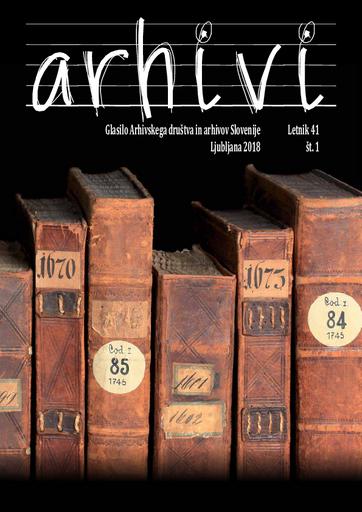
Author(s):Karla Pacek
Co-author(s):Gregor Jenuš (gl. in odg. ur.), Marija Grabnar (ur.), Dunja Mušič (teh. ur.), Petra Markuš (prev.), Marija Grabnar, Andreja Klasinc Škofljanec in Borut Jurca (foto.)
Leto:2018
Publisher(s):Arhivsko društvo Slovenije, Ljubljana
Source(s):Arhivi, 2018, št. 1
Language(s):slovenščina
Type(s) of material:text
Keywords:ČLANKI IN RAZPRAVE, Družba hčera krščanske ljubezni, sestre usmiljenke, zdravstveni zavodi, sestrske postojanke, izobrazba, delovna mesta, odpustitev, ARTICLES AND PAPERS
Rights:
This work by Karla Pacek is licensed under Creative Commons Attribution-NonCommercial-ShareAlike 4.0 International
Files (1)
Name:ARHIVI_2018-1.pdf
Size:12.28MB
Format:application/pdf
Permanent link:https://hdl.handle.net/11686/file25398
Description
The Company of the Daughters of Christian Love or Sisters of Charity have
been following the order given by St. Vincent de Paul and St. Louise de Marillac
that a Christian must be characterised by active love centring on those most in
need since 1633. Following this principle, they became the primary representative for health and social care, first in France and then in Europe and throughout the world, which also applied to Slovenian lands in Austria-Hungary. Since
1843, when they took up attending patients in Maribor hospital or since 1852
when they arrived in Ljubljana and took up attending patients in the city poorhouse, they built and managed hospitals and cared for patients with astonishing selflessness. They commanded respect, they were wanted and appreciated
by most doctors and patients despite occasional opposition, accusations, and
defamation before the second world war. This was the case because they did
their work meticulously, according to the rules, and with love towards those
who suffered. Their work in hospitals surpassed simple patient attendance and
reached almost every area needed for smooth running of institution, i.e. from
management to care. At the beginning, Sisters of Charity had no formal education, they only had informal knowledge gained from older nurses and doctors.
They recognised the need for formal education at the right time. In 1920s and
1930s, most Sisters of Charity acquired the required medical education. At the
dawn of the second world war, the Company in Slovenian territory reached its
peak: it counted 1239 sisters who were working in 20 health care institutions.
Before, during and after the Second World War, Sisters of Charity outposts in
health care institutions were abolished for different reasons: internal, national,
and anti-religious. Fascist authorities in Primorska and Nazi occupying forces
in Styria were responsible for the abolishment of a few Sisters‘ outposts in that
area, while both were surpassed by the actions of Slovenian post-war authorities which, under anti-religious campaigns, decided to bar the Sisters of Charit from working in all health care institutions. This kind of policy reached its zenith on 8 March 1948 when Sisters of Charity had to leave all Slovenian health
care institutions within a day under the Decree of Republican Ministry of the Interior. In health care institutions, Sisters of Charity were completely replaced by
secular medical personnel. At the same time, they were dismissed from every
care and educational institution, and from most social institutions where they
worked. At the end of 1948, all institutions and real estate properties previously
owned by the Company were nationalised. Some Sisters of Charity made a life
outside the community and worked to the best of their ability in their home
environment, and the other Sisters of Charity went to hospitals in Serbia and
Macedonia where they were employed in a pragmatic manner to compensate
for the absence of professional health care staff. Despite national and religious
differences, the authorities as well as population appreciated and respected the
sisters, as they helped the poor indiscriminately and cooperated with other religious beliefs. The history of the Company after 1945 can thus be summarized
by the conclusion that the Sisters of Charity were at the receiving end of two
conflicting treatments by post-war authorities within the same country: While
Slovenian republican authority almost completely prevented them from fulfilling their own charisma which could be a death blow to the Yugoslav province,
the republican authorities in Serbia an Macedonia simultaneously welcomed
them whilst respecting their monastic identity. Sisters of Charity did not limit
their activities to health care, but were comprehensively implementing their
main principle: active love for the poor, also in the new environment.
Metadata (12)
- identifierhttps://hdl.handle.net/11686/41584
- title
- Sestre usmiljenke v zdravstvenih ustanovah
- Sisters of Charity in Health Care Institutions
- creator
- Karla Pacek
- contributor
- Gregor Jenuš (gl. in odg. ur.)
- Marija Grabnar (ur.)
- Dunja Mušič (teh. ur.)
- Petra Markuš (prev.)
- Marija Grabnar, Andreja Klasinc Škofljanec in Borut Jurca (foto.)
- subject
- ČLANKI IN RAZPRAVE
- Družba hčera krščanske ljubezni
- sestre usmiljenke
- zdravstveni zavodi
- sestrske postojanke
- izobrazba
- delovna mesta
- odpustitev
- ARTICLES AND PAPERS
- description
- The Company of the Daughters of Christian Love or Sisters of Charity have been following the order given by St. Vincent de Paul and St. Louise de Marillac that a Christian must be characterised by active love centring on those most in need since 1633. Following this principle, they became the primary representative for health and social care, first in France and then in Europe and throughout the world, which also applied to Slovenian lands in Austria-Hungary. Since 1843, when they took up attending patients in Maribor hospital or since 1852 when they arrived in Ljubljana and took up attending patients in the city poorhouse, they built and managed hospitals and cared for patients with astonishing selflessness. They commanded respect, they were wanted and appreciated by most doctors and patients despite occasional opposition, accusations, and defamation before the second world war. This was the case because they did their work meticulously, according to the rules, and with love towards those who suffered. Their work in hospitals surpassed simple patient attendance and reached almost every area needed for smooth running of institution, i.e. from management to care. At the beginning, Sisters of Charity had no formal education, they only had informal knowledge gained from older nurses and doctors. They recognised the need for formal education at the right time. In 1920s and 1930s, most Sisters of Charity acquired the required medical education. At the dawn of the second world war, the Company in Slovenian territory reached its peak: it counted 1239 sisters who were working in 20 health care institutions. Before, during and after the Second World War, Sisters of Charity outposts in health care institutions were abolished for different reasons: internal, national, and anti-religious. Fascist authorities in Primorska and Nazi occupying forces in Styria were responsible for the abolishment of a few Sisters‘ outposts in that area, while both were surpassed by the actions of Slovenian post-war authorities which, under anti-religious campaigns, decided to bar the Sisters of Charit from working in all health care institutions. This kind of policy reached its zenith on 8 March 1948 when Sisters of Charity had to leave all Slovenian health care institutions within a day under the Decree of Republican Ministry of the Interior. In health care institutions, Sisters of Charity were completely replaced by secular medical personnel. At the same time, they were dismissed from every care and educational institution, and from most social institutions where they worked. At the end of 1948, all institutions and real estate properties previously owned by the Company were nationalised. Some Sisters of Charity made a life outside the community and worked to the best of their ability in their home environment, and the other Sisters of Charity went to hospitals in Serbia and Macedonia where they were employed in a pragmatic manner to compensate for the absence of professional health care staff. Despite national and religious differences, the authorities as well as population appreciated and respected the sisters, as they helped the poor indiscriminately and cooperated with other religious beliefs. The history of the Company after 1945 can thus be summarized by the conclusion that the Sisters of Charity were at the receiving end of two conflicting treatments by post-war authorities within the same country: While Slovenian republican authority almost completely prevented them from fulfilling their own charisma which could be a death blow to the Yugoslav province, the republican authorities in Serbia an Macedonia simultaneously welcomed them whilst respecting their monastic identity. Sisters of Charity did not limit their activities to health care, but were comprehensively implementing their main principle: active love for the poor, also in the new environment.
- publisher
- Arhivsko društvo Slovenije
- date
- 2018
- 01. 01. 2018
- type
- besedilo
- language
- Slovenščina
- isPartOf
- rights
- license: ccByNcSa