/
Periodicals
/
Archives
Archival Records as a Source for Studying Social History with Emphasis on Social and Health Protection of Mothers and Children in Slovenia in the Inter-War Period
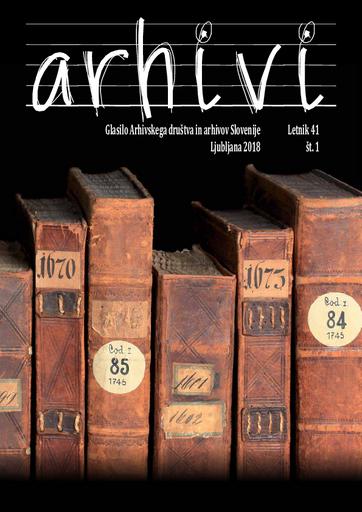
Author(s):Dunja Dobaja
Co-author(s):Gregor Jenuš (gl. in odg. ur.), Marija Grabnar (ur.), Dunja Mušič (teh. ur.), Petra Markuš (prev.), Marija Grabnar, Andreja Klasinc Škofljanec in Borut Jurca (foto.)
Leto:2018
Publisher(s):Arhivsko društvo Slovenije, Ljubljana
Source(s):Arhivi, 2018, št. 1
Language(s):slovenščina
Type(s) of material:text
Keywords:ČLANKI IN RAZPRAVE, arhivski viri, socialno varstvo, zdravstveno varstvo, otroci, matere, ljubljanska oblast, mariborska oblast, Dravska banovina, obdobje med obema vojnama, ARTICLES AND PAPERS, archival sources, social protection, healthcare, children, mothers, Ljubljana authority, Maribor authority, Drava Banovina, inter-war period
Rights:
This work by Dunja Dobaja is licensed under Creative Commons Attribution-NonCommercial-ShareAlike 4.0 International
Files (1)
Name:ARHIVI_2018-1.pdf
Size:12.28MB
Format:application/pdf
Permanent link:https://hdl.handle.net/11686/file25398
Description
The article is a substantive review of the fonds of the Archives of the Republic of Slovenia which served to the author as a fundamental source of studying social and health protection of mothers and children in Slovenia in the inter-war period, in the context of the entire social and health issue in the broad
sense. The main focus are the following fonds: ARS 64 Regional government of
Slovenia, Social Care Section, ARS 92 Regional Committee of Ljubljana authority, ARS 93 Regional Committee of Maribor authority, ARS 77 The Ban council of
Drava Banovina, ARS 2032 Zavod za gluhe in naglušne Ljubljana, ARS 2052 Deaf
and Hard of Hearing Clubs Association of Slovenia, ARS 427 Državna bolnica
za ženske bolezni v Ljubljani (State hospital for female diseases and obstetrics
in Ljubljana), childbirth protocols 1941-1945. The results of her research the
author published in her doctoral thesis Social and Health Protection of Mothers
and Children from 1919 to 1939 in the Territory of the Former Drava Banate
and in academic literature.
In the introductory part, the article gives an overview of social policy administration in Slovenia in the inter-war period since knowledge of administration facilitates better understanding of used sources. The next part of the
article focuses on the representation of shorthand minutes of authoritative assemblies and the ban council which were instrumental in researching the social
and health conditions as they expose the problems of authority and later banate
without glossing over them. One of the consistent topics of discussion was the
problem of limited spatial capacities of special education institutions. The author presents the issue of the Zavod za gluhe in naglušne Ljubljana (deaf-mute
institute in Ljubljana).
The final chapter is dedicated to the fond of the State hospital for female
diseases in Ljubljana, which also contains childbirth protocols. The latter helped
the author provide statistical statement of illegitimate births during interwar
Ljubljana.
Metadata (12)
- identifierhttps://hdl.handle.net/11686/41581
- title
- Arhivski dokumenti kot vir preučevanja socialne zgodovine s poudarkom na socialno-zdravstveni zaščiti mater in otrok v Sloveniji v obdobju med obema vojnama
- Archival Records as a Source for Studying Social History with Emphasis on Social and Health Protection of Mothers and Children in Slovenia in the Inter-War Period
- creator
- Dunja Dobaja
- contributor
- Gregor Jenuš (gl. in odg. ur.)
- Marija Grabnar (ur.)
- Dunja Mušič (teh. ur.)
- Petra Markuš (prev.)
- Marija Grabnar, Andreja Klasinc Škofljanec in Borut Jurca (foto.)
- subject
- ČLANKI IN RAZPRAVE
- arhivski viri
- socialno varstvo
- zdravstveno varstvo
- otroci
- matere
- ljubljanska oblast
- mariborska oblast
- Dravska banovina
- obdobje med obema vojnama
- ARTICLES AND PAPERS
- archival sources
- social protection
- healthcare
- children
- mothers
- Ljubljana authority
- Maribor authority
- Drava Banovina
- inter-war period
- description
- The article is a substantive review of the fonds of the Archives of the Republic of Slovenia which served to the author as a fundamental source of studying social and health protection of mothers and children in Slovenia in the inter-war period, in the context of the entire social and health issue in the broad sense. The main focus are the following fonds: ARS 64 Regional government of Slovenia, Social Care Section, ARS 92 Regional Committee of Ljubljana authority, ARS 93 Regional Committee of Maribor authority, ARS 77 The Ban council of Drava Banovina, ARS 2032 Zavod za gluhe in naglušne Ljubljana, ARS 2052 Deaf and Hard of Hearing Clubs Association of Slovenia, ARS 427 Državna bolnica za ženske bolezni v Ljubljani (State hospital for female diseases and obstetrics in Ljubljana), childbirth protocols 1941-1945. The results of her research the author published in her doctoral thesis Social and Health Protection of Mothers and Children from 1919 to 1939 in the Territory of the Former Drava Banate and in academic literature. In the introductory part, the article gives an overview of social policy administration in Slovenia in the inter-war period since knowledge of administration facilitates better understanding of used sources. The next part of the article focuses on the representation of shorthand minutes of authoritative assemblies and the ban council which were instrumental in researching the social and health conditions as they expose the problems of authority and later banate without glossing over them. One of the consistent topics of discussion was the problem of limited spatial capacities of special education institutions. The author presents the issue of the Zavod za gluhe in naglušne Ljubljana (deaf-mute institute in Ljubljana). The final chapter is dedicated to the fond of the State hospital for female diseases in Ljubljana, which also contains childbirth protocols. The latter helped the author provide statistical statement of illegitimate births during interwar Ljubljana.
- publisher
- Arhivsko društvo Slovenije
- date
- 2018
- 01. 01. 2018
- type
- besedilo
- language
- Slovenščina
- isPartOf
- rights
- license: ccByNcSa