
/
Events
/
Conferences
Matematično-tehniško izobraževanje Avstrijske province jezuitov stare družbe
Mathematical and Technical Education of the Austrian Province of Jesuits
Author(s):Stanislav Južnič
Co-author(s):Vinko Skitek (mod.)
Leto:2016
Publisher(s):Zveza zgodovinskih društev Slovenije, Ljubljana, Inštitut za novejšo zgodovino, Ljubljana
Language(s):slovenščina
Type(s) of material:moving image
Keywords:mreža šol za matematično-tehniško izobraževanje, jezuiti, Habsburška monarhija, Ruđer Josip Bošković (1711-1787), 17-18. stoletje, network of schools for mathematics and technical education, the Jesuits, Habsburg Monarchy, Ruđer Josip Bošković (1711-1787), 17th-18th century
Rights:
This work by Stanislav Južnič is licensed under Creative Commons Attribution-NonCommercial-NoDerivs 4.0 International
Files (5)
Name:program-38-zborovanja-ZZDS.pdf
Size:313.04KB
Format:application/pdf
Permanent link:https://hdl.handle.net/11686/file22602
Name:program-38-zborovanja-ZZDS-SLO-ANG.pdf
Size:303.57KB
Format:application/pdf
Permanent link:https://hdl.handle.net/11686/file22603
Name:Knjiga-povzetkov–book-of-abstracts.pdf
Size:895.33KB
Format:application/pdf
Permanent link:https://hdl.handle.net/11686/file22604
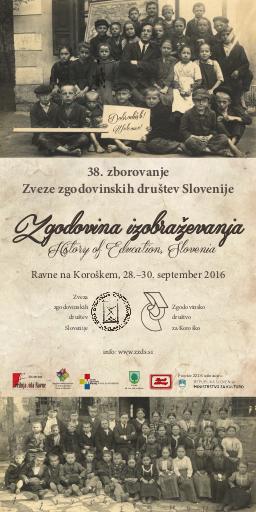
Name:Plakat-38-zborovanja-ZZDS.pdf
Size:1.36MB
Format:application/pdf
Permanent link:https://hdl.handle.net/11686/file22605
Description
The Inner-Austrian environment has been one of the main centers of Bošković’s science at the end of the Jesuit period. A century later, the same environment supported atomism and statistical physics of Jožef Stefan who was born in the then suburbs of Klagenfurt, and his student Ludwig Boltzmann, who married a half Slovenian. The socio-pedagogical structure of Austrian lands proved in both cases to be the ideal network for the dissemination of dynamical and statistical theories of atoms. We can expect new advanced contributions from the same Central European environment in the 21st century. Jesuit professors in Inner Austria and in territories south of it focused their knowledge in Graz, and at the same time they deliberated it in missions inside and outside the Province of Jesuits. Gabrijel Gruber spread the domestic success of Jesuit knowledge worldwide, after he tested his main experiments about the possibilities for modern ship propulsion upstream on the Mura river and regulated the flow of water on the Ljubljanica and Drava river below Ptuj and Maribor. As the Jesuit General he then transferred the reputation of the Inner-Austrian and especially Slovenian Jesuit knowledge from Russia to the USA so successfully, that the protestant president George Washington sent his nephews to Gruber’s Georgetown school near the capital Washington; that is why the entrance hall of the University of Georgetown is today still symbolically adorned with the portrait of the well-known Jesuit teacher from Slovenian circle G. Gruber, who is therefore not only a symbol of knowledge.
Metadata (12)
- identifierhttps://hdl.handle.net/11686/37460
- title
- Matematično-tehniško izobraževanje Avstrijske province jezuitov stare družbe
- Mathematical and Technical Education of the Austrian Province of Jesuits
- creator
- Stanislav Južnič
- contributor
- Vinko Skitek (mod.)
- subject
- mreža šol za matematično-tehniško izobraževanje
- jezuiti
- Habsburška monarhija
- Ruđer Josip Bošković (1711-1787)
- 17-18. stoletje
- network of schools for mathematics and technical education
- the Jesuits
- Habsburg Monarchy
- Ruđer Josip Bošković (1711-1787)
- 17th-18th century
- description
- Notranjeavstrijsko okolje je bilo med poglavitnimi središči Boškovićeve znanosti ob koncu jezuitske dobe. Stoletje pozneje je enako okolje podprlo atomizem in statistično fiziko v tedanjem predmestju Celovca rojenega Jožefa Stefana in njegovega učenca Ludwiga Boltzmanna, ki je poročil napol Slovenko. Socialno-pedagoška struktura avstrijskih dednih dežel se je izkazala v obeh primerih kot idealna mreža za širjenje dinamičnih in statističnih teorij atomov. V tretje lahko pričakujemo nove napredne prispevke iz istega srednjeevropskega okolja v 21. stoletju. Jezuitski profesorji v Notranji Avstriji in južno od nje so svoje znanje osredotočali v Gradcu in ga obenem prvovrstno razpredali po vsej provinci in zunaj nje v misijonih. Gabrijel Gruber je domače uspehe jezuitskega znanja zanesel po vsem svetu potem, ko je svoje poglavitne preizkuse možnosti za sodobnejši pogon ladij po toku navzgor preizkušal na Muri in urejeval tokove Ljubljanice ter Drave ob Ptuju in Mariboru. Kot jezuitski general je nato sloves notranjeavstrijskega in predvsem slovenskega jezuitskega znanja iz Rusije prenesel v ZDA tako uspešno, da je protestantski predsednik George Washington v Gruberjevo Georgetownsko šolo ob tedanji prestolnici Washington poslal celo svoje nečake; zato portret G. Gruberja kot najvidnejšega jezuitskega učitelja iz slovenskih logov še danes simbolično krasi avlo univerze Georgetown, ne zgolj kot simbol znanja.
- The Inner-Austrian environment has been one of the main centers of Bošković’s science at the end of the Jesuit period. A century later, the same environment supported atomism and statistical physics of Jožef Stefan who was born in the then suburbs of Klagenfurt, and his student Ludwig Boltzmann, who married a half Slovenian. The socio-pedagogical structure of Austrian lands proved in both cases to be the ideal network for the dissemination of dynamical and statistical theories of atoms. We can expect new advanced contributions from the same Central European environment in the 21st century. Jesuit professors in Inner Austria and in territories south of it focused their knowledge in Graz, and at the same time they deliberated it in missions inside and outside the Province of Jesuits. Gabrijel Gruber spread the domestic success of Jesuit knowledge worldwide, after he tested his main experiments about the possibilities for modern ship propulsion upstream on the Mura river and regulated the flow of water on the Ljubljanica and Drava river below Ptuj and Maribor. As the Jesuit General he then transferred the reputation of the Inner-Austrian and especially Slovenian Jesuit knowledge from Russia to the USA so successfully, that the protestant president George Washington sent his nephews to Gruber’s Georgetown school near the capital Washington; that is why the entrance hall of the University of Georgetown is today still symbolically adorned with the portrait of the well-known Jesuit teacher from Slovenian circle G. Gruber, who is therefore not only a symbol of knowledge.
- publisher
- Zveza zgodovinskih društev Slovenije
- Inštitut za novejšo zgodovino
- date
- 2016
- 30. 09. 2016
- type
- video
- language
- Slovenščina
- isPartOf
- rights
- license: ccByNcNd