
/
Events
/
Conferences
Apprenticeship – An Entry-Ticket to the World of Trade Guild
Author(s):Aleksander Žižek
Co-author(s):Bogdan Kolar (mod.)
Leto:2016
Publisher(s):Zveza zgodovinskih društev Slovenije, Ljubljana, Inštitut za novejšo zgodovino, Ljubljana
Source(s):Od vajeništva do pedagoških polemik
Language(s):slovenščina
Type(s) of material:moving image
Keywords:obrt, ceh, vajenec, cehovska pravila, izobraževanje, crafts, guild, apprentice, guild rules, education
Rights:
This work by Aleksander Žižek is licensed under Creative Commons Attribution-NonCommercial-NoDerivs 4.0 International
Files (5)
Name:program-38-zborovanja-ZZDS.pdf
Size:313.04KB
Format:application/pdf
Permanent link:https://hdl.handle.net/11686/file22602
Name:program-38-zborovanja-ZZDS-SLO-ANG.pdf
Size:303.57KB
Format:application/pdf
Permanent link:https://hdl.handle.net/11686/file22603
Name:Knjiga-povzetkov–book-of-abstracts.pdf
Size:895.33KB
Format:application/pdf
Permanent link:https://hdl.handle.net/11686/file22604
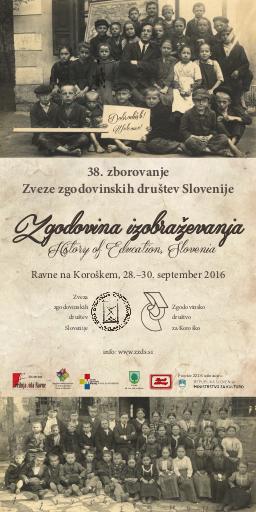
Name:Plakat-38-zborovanja-ZZDS.pdf
Size:1.36MB
Format:application/pdf
Permanent link:https://hdl.handle.net/11686/file22605
Description
Admission into training represented an important turning point in a boy’s life in the pre-modern era. With a wise choice of the future profession the path to the guaranteed material existence as well as social reputation opened. In place of the boy, parents and the three Fates decided. Excluding the number of apprentices who have finished the training at home (in the home workshop), leaving for training was associated with leaving home, the integration into a new life community and a new household. Responsibility for the apprentice's livelihood, education, professional development and security was handed to the master and his wife, but also assistants and other members of the large household contributed to the process of his education. Eventually also the state determined that this was an important process and specified in the guild regulations basic guidelines of craft training. Later apprentices were included into individual forms of regular schooling (Sunday schools). The successful completion of craft training was dependent on the attendance of Sunday schools and religious education. Information regarding this is hidden in guild regulations, books and documents. The wider historical perspective will be outlined with the help of literature. I will limit myself to the period between two main legal acts, which regulated the trade – Inner Austrian Trade Rules of Charles VI. (1732) and the Trades Act of 1859.
Metadata (12)
- identifierhttps://hdl.handle.net/11686/37447
- title
- Vajeništvo – vstopnica v svet cehovske obrti
- Apprenticeship – An Entry-Ticket to the World of Trade Guild
- creator
- Aleksander Žižek
- contributor
- Bogdan Kolar (mod.)
- subject
- obrt
- ceh
- vajenec
- cehovska pravila
- izobraževanje
- crafts
- guild
- apprentice
- guild rules
- education
- description
- Sprejem v uk je pomenil pomembno prelomnico v življenju fanta v predmoderni dobi. S pametno izbiro bodočega poklica mu je bila namreč odprta pot do zagotovljene gmotne eksistence pa tudi družbenega ugleda. Večinoma so se namesto njega odločile rojenice in starši. Če izvzamemo številne vajence, ki so uk opravili kar pod domačo streho (v domači delavnici), je bil odhod v uk povezan z odhodom od doma, vključitvijo v novo življenjsko skupnost in novo gospodinjstvo. Odgovornost za vajenčevo preživljanje, vzgojo, strokovni napredek in varnost je prevzel mojster s soprogo, v procesu njegovega izobraževanja pa so sodelovali tudi pomočniki in drugi člani velikega gospodinjstva. Da je šlo pri tem za pomemben proces, je sčasoma ugotovila tudi država, ki je že v cehovskih pravilih predpisala osnovne smernice izvajanja obrtnega uka, kasneje pa je vajence vključila tudi v posamezne oblike rednega šolanja (nedeljske ponavljalne šole) in z obiskovanjem tega pouka (in verouka) tudi pogojevala uspešen zaključek obrtnega izobraževanja. Podatki o tem se skrivajo v cehovskih pravilih, cehovskih knjigah in listinah, širši zgodovinski vidik pa bo možno očrtati tudi s pomočjo literature. Omejil se bom na obdobje med dvema osrednjima pravnima aktoma, ki sta urejala obrt – notranjeavstrijskim obrtnim redom Karla VI. (1732) in obrtnim zakonom iz leta 1859.
- Admission into training represented an important turning point in a boy’s life in the pre-modern era. With a wise choice of the future profession the path to the guaranteed material existence as well as social reputation opened. In place of the boy, parents and the three Fates decided. Excluding the number of apprentices who have finished the training at home (in the home workshop), leaving for training was associated with leaving home, the integration into a new life community and a new household. Responsibility for the apprentice's livelihood, education, professional development and security was handed to the master and his wife, but also assistants and other members of the large household contributed to the process of his education. Eventually also the state determined that this was an important process and specified in the guild regulations basic guidelines of craft training. Later apprentices were included into individual forms of regular schooling (Sunday schools). The successful completion of craft training was dependent on the attendance of Sunday schools and religious education. Information regarding this is hidden in guild regulations, books and documents. The wider historical perspective will be outlined with the help of literature. I will limit myself to the period between two main legal acts, which regulated the trade – Inner Austrian Trade Rules of Charles VI. (1732) and the Trades Act of 1859.
- publisher
- Zveza zgodovinskih društev Slovenije
- Inštitut za novejšo zgodovino
- date
- 2016
- 29. 09. 2016
- type
- video
- language
- Slovenščina
- isPartOf
- rights
- license: ccByNcNd