
/
Events
/
Conferences
Let the Muses Help Us Lead History Lessons
Author(s):Stane Berzelak
Leto:2016
Publisher(s):Zveza zgodovinskih društev Slovenije, Ljubljana, Inštitut za novejšo zgodovino, Ljubljana
Source(s):Vprašanja poučevanja zgodovine
Language(s):slovenščina
Type(s) of material:moving image
Keywords:splošna izobrazba, pouk zgodovine, humanistična dimenzija, komunikacijskoinformacijska tehnologija, učni načrti, general education, history lessons, humanistic dimension, communication and information technology, curriculum
Rights:
This work by Stane Berzelak is licensed under Creative Commons Attribution-NonCommercial-NoDerivs 4.0 International
Files (5)
Name:program-38-zborovanja-ZZDS.pdf
Size:313.04KB
Format:application/pdf
Permanent link:https://hdl.handle.net/11686/file22602
Name:program-38-zborovanja-ZZDS-SLO-ANG.pdf
Size:303.57KB
Format:application/pdf
Permanent link:https://hdl.handle.net/11686/file22603
Name:Knjiga-povzetkov–book-of-abstracts.pdf
Size:895.33KB
Format:application/pdf
Permanent link:https://hdl.handle.net/11686/file22604
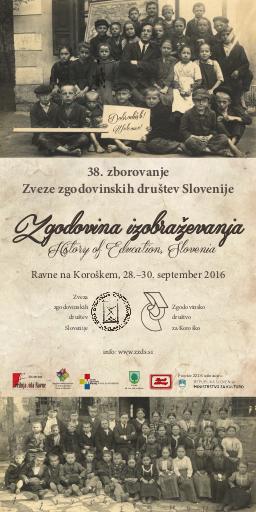
Name:Plakat-38-zborovanja-ZZDS.pdf
Size:1.36MB
Format:application/pdf
Permanent link:https://hdl.handle.net/11686/file22605
Description
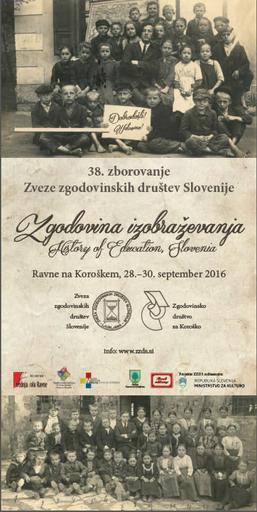
Teaching history is a much more dynamic process then we are willing to admit, for it is ahead of even the most innovative teachers. Therefore it needs a systematically organized consideration of how it is influenced by the upcoming innovations. The 38th Assembly of the HAS with its thematic set Views on teaching history in schools is the perfect place for a professional consideration whether history lessons appropriately follow the rapid development of society and whether the teaching contents are in accordance with modern times. Modern information and communication technologies enable us with easy and fast information access in teaching. But we know that this information is only useful for individuals with enough knowledge for critical reception. Knowledge we gain from school has to remain alive and it has to quietly develop further. We mustn’t ruin the curiosity of the youth, for it is essential, both in school and science. Therefore, not only autonomy, but also professionally premeditated support for teachers should guide the modern history lessons. Based on an analysis of curricula and secondary school textbooks the article tries to direct the consideration on where and how far the secondary school history lessons want to go and to answer two questions – what do the listeners (students) expect and what can the narrators (professors) do. Therefore, in the future let the muses (and not the school politicians) help us lead history lessons.
Metadata (11)
- identifierhttps://hdl.handle.net/11686/37446
- title
- Naj nam muze pomagajo usmerjati pouk zgodovine
- Let the Muses Help Us Lead History Lessons
- creator
- Stane Berzelak
- subject
- splošna izobrazba
- pouk zgodovine
- humanistična dimenzija
- komunikacijskoinformacijska tehnologija
- učni načrti
- general education
- history lessons
- humanistic dimension
- communication and information technology
- curriculum
- description
- Pouk zgodovine je precej bolj dinamičen proces, kot smo si pripravljeni priznati, saj prehiteva tudi najbolj inovativne učitelje. Zato še toliko bolj potrebuje sistematično organiziran premislek o tem, kako nanj vplivajo prihajajoče novosti. 38. zborovanje ZZDS je s tematskim sklopom Pogledi na pouk zgodovine v šoli idealen prostor za strokovni premislek o tem ali pouk zgodovine ustrezno sledi naglemu razvoju družbe ter ali so njegove vsebine ustrezne za sodobni čas. Sodobna informacijsko-komunikacijska tehnologija nam pri pouku omogoča enostaven in hiter dostop do informacij, a vemo, da so te zares uporabne le za tistega, ki ima dovolj znanja, da jih lahko kritično sprejema. Znanja, ki jih pridobimo v šoli, morajo ostati živa in se tiho razvijati dalje. V mladih ne smemo ubiti radovednosti, kajti ta je ključna tako v šoli kot v znanosti. Zato ne le avtonomija, temveč strokovno premišljena podpora učiteljem je tisto, kar bi moralo usmerjati sodobni pouk zgodovine. Prispevek skuša na podlagi analize učnih načrtov in srednješolskih veljavnih učbenikov usmeriti premislek o tem kam in do kod hoče srednješolski pouk zgodovine ter odgovoriti na vprašanji kaj pričakujejo poslušalci (dijaki) ter kaj zmoremo pripovedovalci (profesorji). Naj nam torej v prihodnosti raje muze (in ne šolski politiki) usmerjajo pouk zgodovine.
- Teaching history is a much more dynamic process then we are willing to admit, for it is ahead of even the most innovative teachers. Therefore it needs a systematically organized consideration of how it is influenced by the upcoming innovations. The 38th Assembly of the HAS with its thematic set Views on teaching history in schools is the perfect place for a professional consideration whether history lessons appropriately follow the rapid development of society and whether the teaching contents are in accordance with modern times. Modern information and communication technologies enable us with easy and fast information access in teaching. But we know that this information is only useful for individuals with enough knowledge for critical reception. Knowledge we gain from school has to remain alive and it has to quietly develop further. We mustn’t ruin the curiosity of the youth, for it is essential, both in school and science. Therefore, not only autonomy, but also professionally premeditated support for teachers should guide the modern history lessons. Based on an analysis of curricula and secondary school textbooks the article tries to direct the consideration on where and how far the secondary school history lessons want to go and to answer two questions – what do the listeners (students) expect and what can the narrators (professors) do. Therefore, in the future let the muses (and not the school politicians) help us lead history lessons.
- publisher
- Zveza zgodovinskih društev Slovenije
- Inštitut za novejšo zgodovino
- date
- 2016
- 29. 09. 2016
- type
- video
- language
- Slovenščina
- isPartOf
- rights
- license: ccByNcNd