
/
Events
/
Conferences
Gaius Marcius Ceiler, Teacher From the Flavium Municipality Neviodunum (Drnovo near Krško) – A Paper on Education in Antiquity
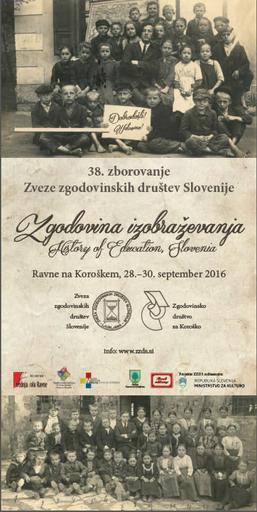
Author(s):Milan Lovenjak
Leto:2016
Publisher(s):Zveza zgodovinskih društev Slovenije, Ljubljana, Inštitut za novejšo zgodovino, Ljubljana
Source(s):Izobraževanje in antika
Language(s):slovenščina
Type(s) of material:moving image
Keywords:antika, šolstvo, vzgoja, družbena zgodovina, antiquity, educational system, education, social history
Rights:
This work by Milan Lovenjak is licensed under Creative Commons Attribution-NonCommercial-NoDerivs 4.0 International
Files (5)
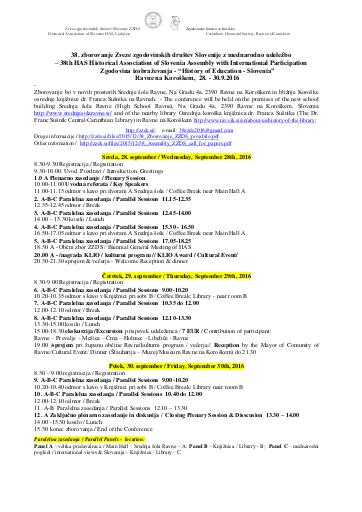
Name:program-38-zborovanja-ZZDS.pdf
Size:313.04KB
Format:application/pdf
Permanent link:https://hdl.handle.net/11686/file22602
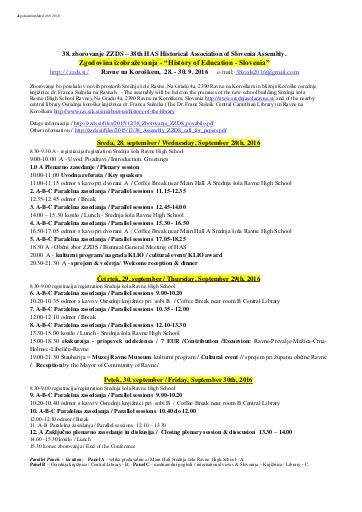
Name:program-38-zborovanja-ZZDS-SLO-ANG.pdf
Size:303.57KB
Format:application/pdf
Permanent link:https://hdl.handle.net/11686/file22603
Name:Knjiga-povzetkov–book-of-abstracts.pdf
Size:895.33KB
Format:application/pdf
Permanent link:https://hdl.handle.net/11686/file22604
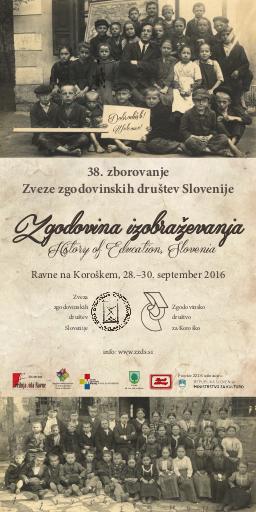
Name:Plakat-38-zborovanja-ZZDS.pdf
Size:1.36MB
Format:application/pdf
Permanent link:https://hdl.handle.net/11686/file22605
Description
In 1885, on the fields of the village Breg, during the excavations of the eastern necropolis of the Roman municipality Nevidunum (Drnovo near Krško), which were conducted under the auspices of the Provincial Museum of Carniola, archaeologist Jernej Pečnik from Krško discovered a grave composed of slabs of rocks covered with a beautifully shaped tombstone with the following inscription: C(aius) Marci-/us C(ai) f(ilius) / Ceiler / praec(eptor) gr(ammaticus ?, Graecus?) / 5an(norum) L h(ic) s(itus.) / Pompeia / Q(uinti) f(ilia) Respec-/ ta sibi et con-/ [i]ugi v(iva) f(ecit). The monument was erected by Pompeja Respekta for her husband Gaius Marcius Ceiler, who died fifty years of age. She also stated his profession with the abbreviated phrase praeceptor gr, which can be interpreted as a grammar teacher or teacher of Greek language. Based on this and other testimonies in antique sources, the paper will illuminate the position and role of a teacher in the antique society, and present the educational practices in the antique educational system
Metadata (11)
- identifierhttps://hdl.handle.net/11686/37371
- title
- Gaj Marcij Keler, učitelj iz flavijskega municipija Neviodunum (Drnovo pri Krškem) – prispevek k šolstvu v antiki
- Gaius Marcius Ceiler, Teacher From the Flavium Municipality Neviodunum (Drnovo near Krško) – A Paper on Education in Antiquity
- creator
- Milan Lovenjak
- subject
- antika
- šolstvo
- vzgoja
- družbena zgodovina
- antiquity
- educational system
- education
- social history
- description
- Leta 1885 je starinokop Jernej Pečnik iz Krškega v okviru izkopavanj vzhodne nekropole rimskega municipija Nevidunum (Drnovo pri Krškem), ki so potekala pod pokroviteljstvom Deželnega muzeja za Kranjsko, na poljih pri vasi Brege izkopal iz kamnitih plošč sestavljen grob prekrit z lepo oblikovanim nagrobnikom z naslednjim napisom: C(aius) Marci-/us C(ai) f(ilius) / Ceiler / praec(eptor) gr(ammaticus ?, Graecus?) / 5an(norum) L h(ic) s(itus.) / Pompeia / Q(uinti) f(ilia) Respec-/ ta sibi et con-/ [i]ugi v(iva) f(ecit). Kot izhaja iz navedenega besedila je spomenik v petdesetem letu starosti umrlemu soprogu Gaju Markiju Kelerju postavila žena Pompeja Respekta in navedla tudi njegov poklic z okrajšano besedno zvezo praeceptor gr, ki jo lahko razložimo kot učitelj gramatike ali kot učitelj grškega jezika. Na podlagi tega in drugih pričevanj v antičnih virih, bo v prispevku osvetljen položaj in vloga učitelja v antični družbi in predstavljene izobraževalne prakse v antičnem šolskem sistemu.
- In 1885, on the fields of the village Breg, during the excavations of the eastern necropolis of the Roman municipality Nevidunum (Drnovo near Krško), which were conducted under the auspices of the Provincial Museum of Carniola, archaeologist Jernej Pečnik from Krško discovered a grave composed of slabs of rocks covered with a beautifully shaped tombstone with the following inscription: C(aius) Marci-/us C(ai) f(ilius) / Ceiler / praec(eptor) gr(ammaticus ?, Graecus?) / 5an(norum) L h(ic) s(itus.) / Pompeia / Q(uinti) f(ilia) Respec-/ ta sibi et con-/ [i]ugi v(iva) f(ecit). The monument was erected by Pompeja Respekta for her husband Gaius Marcius Ceiler, who died fifty years of age. She also stated his profession with the abbreviated phrase praeceptor gr, which can be interpreted as a grammar teacher or teacher of Greek language. Based on this and other testimonies in antique sources, the paper will illuminate the position and role of a teacher in the antique society, and present the educational practices in the antique educational system
- publisher
- Zveza zgodovinskih društev Slovenije
- Inštitut za novejšo zgodovino
- date
- 2016
- 28. 09. 2016
- type
- video
- language
- Slovenščina
- isPartOf
- rights
- license: ccByNcNd