/
Periodicals
/
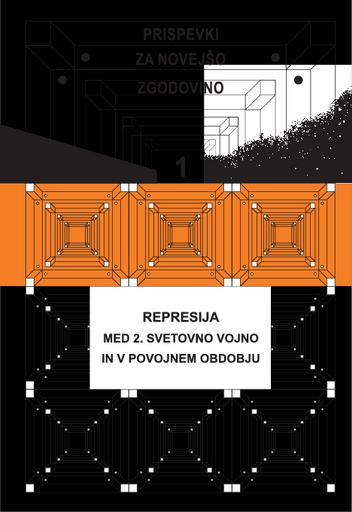
Prispevki za novejšo zgodovino
The Main Forms and Dimensions of Repression in the Post‑war Europe
Author(s):Boris Mlakar
Co-author(s):Zdenko Čepič (odg. ur.), Damijan Guštin (gl. ur.), Borut Praper (prev.), Bojana Samarin (lekt.)
Leto:2013
Publisher(s):Inštitut za novejšo zgodovino, Ljubljana
Language(s):slovenščina
Type(s) of material:text
Keywords:Evropa, 2. svetovna vojna, nacizem, kolaboracija, Evropa po 2. svetovni vojni, vojni ujetniki, nemška manjšina, nasilje, epuracija, Europe, World War II, Nazism, collaboration, Europe after WWII, prisoner of war, German minorities, violence, purge
Rights:
This work by Boris Mlakar is licensed under Creative Commons Attribution-NonCommercial-NoDerivs 4.0 International
Files (1)
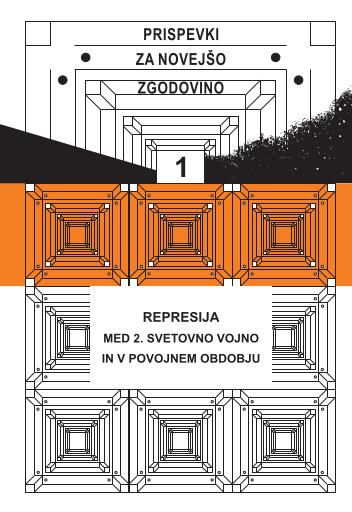
Name:Prispevki_za_novejso_zgodovino_2013-1.pdf
Size:4.13MB
Format:application/pdf
Permanent link:https://hdl.handle.net/11686/file18345
Description
On the basis of an extensive selection of literature, the author presents and briefly analyses the processes in the post‑war Europe characterised by various kinds of violence. First he focuses on the destiny of millions of prisoners of war in the Western and especially Soviet prisoner‑of‑war camps. In view of the fact that the German minorities in the Central and Eastern Europe collaborated with the Nazis before and during the war, after the war the Allies exiled them, and this represented one of the major population relocations in the contemporary European history. In the course of these deportations violence occurred, resulting in a significant number of deaths. The author presents the retaliation against wartime collaboration as the third characteristic process taking place in the context of post‑war repression. In the Western Europe this process unfolded at regular judicial proceedings with a partial exception of France and especially Italy. However, in the Central and Eastern Europe retaliation often exceeded the legal context of ensuring just punishment, turning into a payback against the actual or potential opponents of the new authorities and serving as a means of taking over the power and changing the social system.
Metadata (12)
- identifierhttps://hdl.handle.net/11686/34904
- title
- Poglavitne oblike in razsežnosti represije v povojni Evropi
- The Main Forms and Dimensions of Repression in the Post‑war Europe
- creator
- Boris Mlakar
- contributor
- Zdenko Čepič (odg. ur.)
- Damijan Guštin (gl. ur.)
- Borut Praper (prev.)
- Bojana Samarin (lekt.)
- subject
- Evropa
- 2. svetovna vojna
- nacizem
- kolaboracija
- Evropa po 2. svetovni vojni
- vojni ujetniki
- nemška manjšina
- nasilje
- epuracija
- Europe
- World War II
- Nazism
- collaboration
- Europe after WWII
- prisoner of war
- German minorities
- violence
- purge
- description
- Avtor na podlagi obširnega izbora literature predstavlja in na kratko tudi analizira tiste procese v povojni Evropi, ki jih je zaznamovalo tako ali drugačno nasilje. Med njimi je najprej izpostavil usodo milijonov vojnih ujetnikov v zahodnih in posebej še v sovjetskih ujetniških taboriščih. Glede na to, da so nemške manjšine v države srednje in vzhodne Evrope pred in med vojno igrale vlogo pete kolone, so zavezniki po koncu vojne sprožili njihov izgon, kar je predstavljalo enega največjih premikov prebivalstva v novejši evropski zgodovini. Tudi v teku teh izgonov je prihajalo do nasilja in do znatnega števila smrtnih žrtev. Kot tretji značilni proces v okviru povojne represije avtor predstavlja obračun z medvojno kolaboracijo. Le-ta je v zahodni Evropi potekal v okviru rednih sodnih postopkov, z delno izjemo Francije in posebej Italije. V srednji in vzhodni Evropi pa je ta obračun večkrat presegal pravne okvire doseganja pravičnega kaznovanja in se spremenil v obračun z dejanskimi ali potencialnimi nasprotniki novih oblasti v funkciji prevzema oblasti in spremembe družbenega sistema.
- On the basis of an extensive selection of literature, the author presents and briefly analyses the processes in the post‑war Europe characterised by various kinds of violence. First he focuses on the destiny of millions of prisoners of war in the Western and especially Soviet prisoner‑of‑war camps. In view of the fact that the German minorities in the Central and Eastern Europe collaborated with the Nazis before and during the war, after the war the Allies exiled them, and this represented one of the major population relocations in the contemporary European history. In the course of these deportations violence occurred, resulting in a significant number of deaths. The author presents the retaliation against wartime collaboration as the third characteristic process taking place in the context of post‑war repression. In the Western Europe this process unfolded at regular judicial proceedings with a partial exception of France and especially Italy. However, in the Central and Eastern Europe retaliation often exceeded the legal context of ensuring just punishment, turning into a payback against the actual or potential opponents of the new authorities and serving as a means of taking over the power and changing the social system.
- publisher
- Inštitut za novejšo zgodovino
- date
- 2013
- type
- besedilo
- language
- Slovenščina
- isPartOf
- rights
- license: ccByNcNd