
/
Periodicals
/
Prispevki za novejšo zgodovino
Sir Neville Henderson on the Policy of King Alexander towards the Nazi Germany
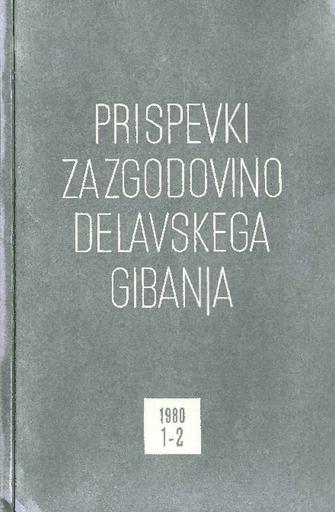
Author(s):Dušan Biber
Co-author(s):Milica Kacin-Wohinz (odg. ur.)
Leto:1980
Publisher(s):Inštitut za zgodovino delavskega gibanja, Ljubljana
Language(s):slovenščina
Type(s) of material:text
Keywords:Kraljevina Jugoslavija, kralj Aleksander Karađorđević, Neville Henderson, nacistična Nemčija, srednja Evropa, Italija, Sovjetska zveza
Rights:
This work by Dušan Biber is licensed under Creative Commons Attribution-NonCommercial-NoDerivs 4.0 International
Files (1)
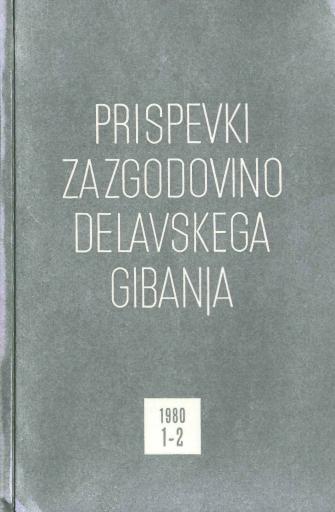
Name:Prispevki_za_zgodovino_delavskega_gibanja_1980_1-2.pdf
Size:11.13MB
Format:application/pdf
Permanent link:https://hdl.handle.net/11686/file37
Description
The paper presented at the international conference »The Germans, Poland and Europe,
1871—1971«, held on October 11—12 at the University A. Mickiewicz in Poznan, Poland, cites
the assessment of the then British ambassador Henderson of the policy of rapprochement between
the Kingdom of Yugoslavia and the Third Reich. King Alexander did not try to conceal
his sympathy towards Hitler, he did not oppose the Anschluss. He looked upon Germany as
a counterbalance to the expansionism of Italy and expected German supremacy in Central
Europe. He considered Russia, whether Bolshevist or other, the greatest danger for the Balkans.
He advocated the independence of Yugoslavia. Henderson anticipated that, in spite of the
alliance with France, Yugoslavia would arrive at an agreement with Italy, then Germany and
finally also with Russia.
Metadata (12)
- identifierhttps://hdl.handle.net/11686/2789
- title
- Sir Neville Henderson o politiki kralja Aleksandra do nacistične Nemčije
- Sir Neville Henderson on the Policy of King Alexander towards the Nazi Germany
- creator
- Dušan Biber
- contributor
- Milica Kacin-Wohinz (odg. ur.)
- subject
- Kraljevina Jugoslavija
- kralj Aleksander Karađorđević
- Neville Henderson
- nacistična Nemčija
- srednja Evropa
- Italija
- Sovjetska zveza
- description
- The paper presented at the international conference »The Germans, Poland and Europe, 1871—1971«, held on October 11—12 at the University A. Mickiewicz in Poznan, Poland, cites the assessment of the then British ambassador Henderson of the policy of rapprochement between the Kingdom of Yugoslavia and the Third Reich. King Alexander did not try to conceal his sympathy towards Hitler, he did not oppose the Anschluss. He looked upon Germany as a counterbalance to the expansionism of Italy and expected German supremacy in Central Europe. He considered Russia, whether Bolshevist or other, the greatest danger for the Balkans. He advocated the independence of Yugoslavia. Henderson anticipated that, in spite of the alliance with France, Yugoslavia would arrive at an agreement with Italy, then Germany and finally also with Russia.
- Referat na mednarodnem znanstvenem posvetovanju »Nemci, Poljska in Evropa, 1871-1971« z dne 11. in 12. oktobra 1971 na univerzi A. Mickiewicza v Poznanju na Poljskem navaja ocene tedanjega britanskega poslanika Hendersona, o politiki zbliževanja med kraljevino Jugoslavijo in Tretjim Reichom. Kralj Aleksander ni skrival svojih simpatij za Hitlerja, ni nasprotoval Anschlussu. V Nemčiji je kralj videl protiutež ekspanzionistični politiki Italije ter pričakoval nemško nadvlado v Srednji Evropi. Rusijo, boljševiško ali kakršnokoli drugo pa je smatral kot največjo nevarnost za Balkan. Zavzemal se je za neodvisnost Jugoslavije. Henderson je predvideval, da bo Jugoslavija kljub zavezništvu s Francijo sklenila pogodbo z Italijo, nato z Nemčijo in slednjič še z Rusijo.
- publisher
- Inštitut za zgodovino delavskega gibanja
- date
- 1980
- type
- besedilo
- language
- Slovenščina
- isPartOf
- rights
- license: ccByNcNd