
/
Periodicals
/
Dve domovini / Two Homelands
Are the attitudes of Europeans towards immigrants related to their attitudes towards gender relations, fertility behavior and the meaning of children?
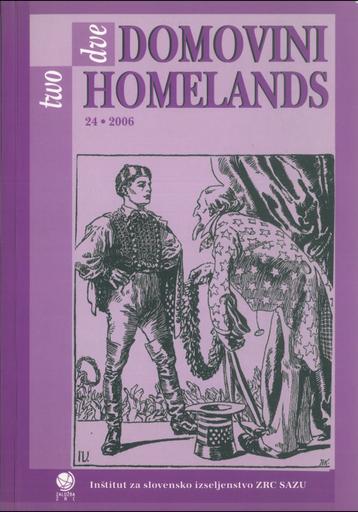
Co-author(s):Marjan Drnovšek (ur.), Cveta Puncer (prev.), Mija Mravlja (lekt.)
Leto:2006
Publisher(s):Inštitut za slovensko izseljenstvo in migracije ZRC SAZU, Ljubljana
Source(s):Dve domovini, 2006, št. 24
Language(s):slovenščina
Type(s) of material:text
Keywords:stališča, priseljenci, rodnostno vedenje, loge med spoloma, nacionalizem, Evropa, attitudes, immigrants, fertility behaviour, gender roles, nationalism, Europe
Rights:
This work by Majda Černič Istenič, Duška Kneževič Hočevar is licensed under Creative Commons Attribution-NonCommercial-NoDerivs 4.0 International
Files (1)
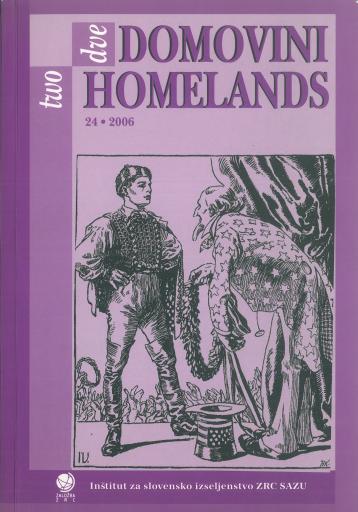
Name:Dve_domovini_24.pdf
Size:66.24MB
Format:application/pdf
Permanent link:https://hdl.handle.net/11686/file15833
Description
Given the inconvenient demographic image in Europe - low birth rates and the ageing society - immigration policies are amongst the most likely scenarios that could solve this demographic situation. However, neither the European public opinion nor the governments of the EU support open immigration. In this line, the authors of the essay interpret the attitudes of respondents towards immigr ants in the frame of the international survey. The Population Policy Acceptance. The authors assume that the attitudes towards immigrants are underlined also by the individual’s assessment of fertility behaviour, partnership, gender roles and children as the ideologies on national identity through the discussion on reproduction implicitly define the outsiders.
Metadata (12)
- identifierhttps://hdl.handle.net/11686/26966
- title
- Ali so stališča prebivalcev evropskih držav do priseljencev povezana s stališči, ki se nanašajo na odnose med spoloma, rodnostno vedenje in vrednotenje otrok?
- Are the attitudes of Europeans towards immigrants related to their attitudes towards gender relations, fertility behavior and the meaning of children?
- creator
- Majda Černič Istenič
- Duška Kneževič Hočevar
- contributor
- Marjan Drnovšek (ur.)
- Cveta Puncer (prev.)
- Mija Mravlja (lekt.)
- subject
- stališča
- priseljenci
- rodnostno vedenje
- loge med spoloma
- nacionalizem
- Evropa
- attitudes
- immigrants
- fertility behaviour
- gender roles
- nationalism
- Europe
- description
- Ukrepi v zvezi s priseljevanjem se kažejo kot eden izmed bolj verjetnih scenarijev reševanja neugodne demografske podobe v Evropi - nizke rodnosti in staranja prebivalstva. Vendar povsem odprtega priseljevanja ne podpirata niti javno mnenje v Evropi niti vlade članic EU. S tega vidika avtorici prispevka presojata stališča respondentov do priseljencev v okviru mednarodne raziskave Population Policy Acceptance. Ker ideologije o nacionalni identiteti skozi govor o reprodukciji implicitno opredeljujejo tudi outsiderje, avtorici domnevata, da so stališča do priseljencev podložena tudi s posameznikovim vrednotenjem rodnosti, partnerskih odnosov, vlog med spoloma in otrok.
- Given the inconvenient demographic image in Europe - low birth rates and the ageing society - immigration policies are amongst the most likely scenarios that could solve this demographic situation. However, neither the European public opinion nor the governments of the EU support open immigration. In this line, the authors of the essay interpret the attitudes of respondents towards immigr ants in the frame of the international survey. The Population Policy Acceptance. The authors assume that the attitudes towards immigrants are underlined also by the individual’s assessment of fertility behaviour, partnership, gender roles and children as the ideologies on national identity through the discussion on reproduction implicitly define the outsiders.
- publisher
- Inštitut za slovensko izseljenstvo in migracije ZRC SAZU
- date
- 2006
- type
- besedilo
- language
- Slovenščina
- isPartOf
- rights
- license: ccByNcNd