/
Periodicals
/
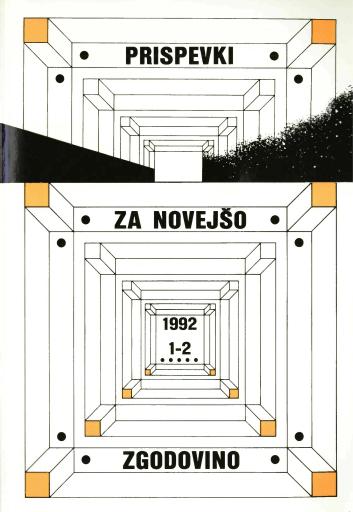
Prispevki za novejšo zgodovino
The Social, Political and Ideological Nature of Slovenian Liberalism in the 1894-1918 Period

This work by Jurij Perovšek is licensed under Creative Commons Attribution-NonCommercial-NoDerivs 4.0 International
Files (1)
Description
The author discusses the social structure and the fundamental economic, social, ideological and political principles that characterized Slovenian liberalism in the period 1894-1918. He establishes that Slovenian liberalism was interested primarily in the preservation of the social and economic power of the young bourgeois community in Slovenia from the working class. The social and political elitism of liberalism was also manifested in its anti - Catholic views expressed through its cultural struggle, which only widened the gap between the liberals and the vast masses of the Slovene people since the latter were politically mostly Catholics- Slovenian liberalism retained this character even after the year 1918; in the first Yugoslav state its traditions were drawing to a close.
Metadata (12)
- identifierhttps://hdl.handle.net/11686/2212
- title
- Socialni, politični in idejni značaj slovenskega liberalizma v letih 1894-1918
- The Social, Political and Ideological Nature of Slovenian Liberalism in the 1894-1918 Period
- creator
- Jurij Perovšek
- contributor
- Jasna Fischer (odg. ur.)
- subject
- slovenska zgodovina
- liberalni tabor
- politični liberalizem
- ideologija
- meščanstvo
- description
- The author discusses the social structure and the fundamental economic, social, ideological and political principles that characterized Slovenian liberalism in the period 1894-1918. He establishes that Slovenian liberalism was interested primarily in the preservation of the social and economic power of the young bourgeois community in Slovenia from the working class. The social and political elitism of liberalism was also manifested in its anti - Catholic views expressed through its cultural struggle, which only widened the gap between the liberals and the vast masses of the Slovene people since the latter were politically mostly Catholics- Slovenian liberalism retained this character even after the year 1918; in the first Yugoslav state its traditions were drawing to a close.
- V razpravi obravnava avtor vprašanje socialne strukture ter osnovnih gospodarskih, socialnih, idejnih in političnih vodil, ki so v letih 1894-1918 opredeljevala značaj slovenskega liberalizma. Ugotavlja, da je slovenski liberalizem zanimala predvsem ohranitev družbene in gospodarske moči mladega slovenskega meščanstva nasproti delavnim stanovom slovenskega naroda. Družbeni in politični elitizem liberalizma se je poleg tega kazal tudi v njegovem izrazito kulturobojnem protikatoliškem stališču, kar je še poglabljalo prepad med njim in širokimi plastmi slovenskega naroda, ki so politično večidel pripadale katoliškemu taboru. Tak značaj je slovenski liberalizem ohranil tudi po letu 1918, ko je v prvi jugoslovanski državi doživel zgodovinski zaton.
- publisher
- Inštitut za novejšo zgodovino
- date
- 1992
- type
- besedilo
- language
- Slovenščina
- isPartOf
- rights
- license: ccByNcNd