
/
Events
/
Conferences
Attitude of the Western Allies towards the Violence in Yugoslavia During World War II and in the Immediate Post-War Period
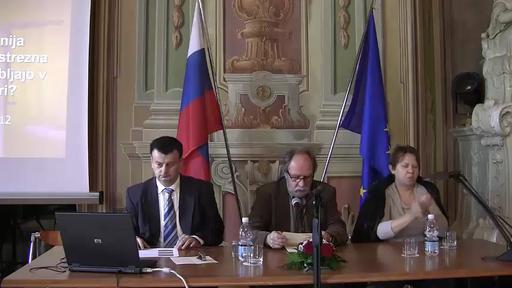
Author(s):Gorazd Bajc
Leto:2012
Publisher(s):Inštitut za novejšo zgodovino/Institute of Contemporary History, Ljubljana
Language(s):slovenščina
Type(s) of material:moving image
Files (1)
Description
In our discussion of the attitude of the Western Allies towards the violence
in Yugoslavia during World War II and in the immediate post-war period we
should take into account the general outlook on and understanding of the contemporary circumstances in the United Kingdom and in the United States of
America. Historiography has already thoroughly explored the Allied policy towards
Yugoslavia, but not as much is known about the issue of violence. The author will try to present, from the substantive viewpoint, the Anglo-American outlook on the most important aspects of this issue: violence committed by the occupiers and the »national« opposing formations, as well as post-war violence of the new Yugoslav authorities (extrajudicial executions, deportations, attitude towards prisoners, political repression, etc.). He will also underline the key methodological questions, for example, what was supposedly the actual interest of the Western Allies in violence – and in all of its perpetrators – in Yugoslavia during and after the war, who informed them, and how they managed to follow the developments. He will emphasise the role of military or intelligence missions, various informants, and other means of gathering information. The author built his research on the hypothesis that the Western Allies were interested in registering as many examples of violence as possible, and they were most interested in cases where violence affected the Anglo-American soldiers and civilians directly.
Metadata (9)
- identifierhttps://hdl.handle.net/11686/14272
- title
- Pogledi zahodnih zaveznikov na nasilje v Jugoslaviji med drugo svetovno vojno in v prvem povojnem obdobju
- Attitude of the Western Allies towards the Violence in Yugoslavia During World War II and in the Immediate Post-War Period
- creator
- Gorazd Bajc
- description
- In our discussion of the attitude of the Western Allies towards the violence in Yugoslavia during World War II and in the immediate post-war period we should take into account the general outlook on and understanding of the contemporary circumstances in the United Kingdom and in the United States of America. Historiography has already thoroughly explored the Allied policy towards Yugoslavia, but not as much is known about the issue of violence. The author will try to present, from the substantive viewpoint, the Anglo-American outlook on the most important aspects of this issue: violence committed by the occupiers and the »national« opposing formations, as well as post-war violence of the new Yugoslav authorities (extrajudicial executions, deportations, attitude towards prisoners, political repression, etc.). He will also underline the key methodological questions, for example, what was supposedly the actual interest of the Western Allies in violence – and in all of its perpetrators – in Yugoslavia during and after the war, who informed them, and how they managed to follow the developments. He will emphasise the role of military or intelligence missions, various informants, and other means of gathering information. The author built his research on the hypothesis that the Western Allies were interested in registering as many examples of violence as possible, and they were most interested in cases where violence affected the Anglo-American soldiers and civilians directly.
- Pri obravnavi pogledov zahodnih zaveznikov na nasilje v Jugoslaviji med drugo svetovno vojno in v prvem povojnem obdobju moramo upoštevati splošni pogled in dojemanje tedanjih razmer v Veliki Britaniji in Združenih državah Amerike. O njihovi politiki do Jugoslavije je v zgodovinopisju že veliko znanega, nekoliko manj pa glede tematike nasilja. Avtor bo skušal predstaviti poglede Anglo-Američanov na najpomembnejše vidike te tematike, in sicer iz vsebinskega zornega kota na nasilje s strani okupatorjev ter »domačih« nasprotnih formacij in na povojno nasilje novih jugoslovanskih oblasti (izvensodne usmrtitve, deportacije, odnos do vojnih ujetnikov, politična represija ipd.). Pri tem bo izpostavil ključna metodološka vprašanja, npr. kolikšen naj bi bil dejanski interes zahodnih zaveznikov za nasilje – vseh povzročiteljev le-tega – v Jugoslaviji med vojno in po njej, kdo jim je posredoval informacije in kako jim je uspelo spremljati dogajanje. Poudaril bo, kolikšno vlogo so tu odigrale vojaške oziroma obveščevalne misije, razni informatorji in drugi načini zbiranja podatkov. Avtor je izhajal iz hipoteze, da je bil interes registrirati čim več nasilnih primerov, najbolj pa so jih zanimali tisti primeri, ko so nasilja neposredno zajela anglo-ameriške vojake in civiliste.
- publisher
- Inštitut za novejšo zgodovino/Institute of Contemporary History
- date
- 2012
- 07. 11. 2012
- type
- video
- language
- Slovenščina
- isPartOf