
/
Periodicals
/
Prispevki za novejšo zgodovino
USA and the Soča Front: the Interpretation of the New York Times and the London Times
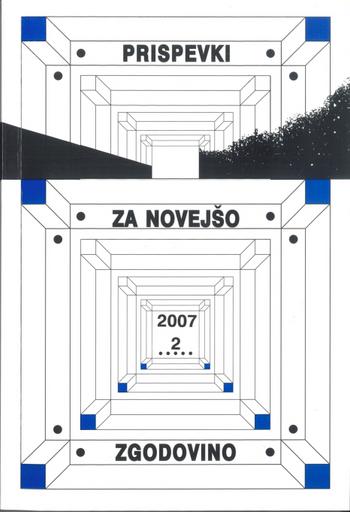
Author(s):Uroš Lipušček
Co-author(s):Zdenko Čepič (odg. ur.)
Leto:2007
Publisher(s):Inštitut za novejšo zgodovino, Ljubljana
Language(s):slovenščina
Type(s) of material:text
Keywords:1. svetovna vojna, Londonski pakt, Soška fronta, Kobarid, italijanska vojska, ZDA, obveščevalna dejavnost, italijanska okupacija slovenskega ozemlja, World War I, Treaty of London, Soča Front, Isonzo Front, Kobarid, Italian army, USA, intelligence service, Italian occupation of the Slovenian territory
Files (1)
Name:prispevki_za_novejso_zgodovino_2007_2.pdf
Size:92.26MB
Format:application/pdf
Permanent link:https://hdl.handle.net/11686/file25919
Description
The special correspondents of The Times -London and the New York Times, G. Ward
Price and Perceval Gibbon, followed the events at the 121h Soča Front in the end of October
1917, reported on the offensive of the Austrian and German troops at Kobarid and on the
utter defeat of the Italian army which followed. Thomas Nelson Page, the American
ambassador in Rome, also reported to the US administration in great detail on the events at
the Italian battlefield. The analysis of his reports showed that both correspondents reported
fully and in a timely fashion about the conditions at the front, but despite that they would
periodically fall for false and far too optimistic information they got from the senior Italian
general staff officers. The internal reports that Page sent to the administration in Washington were realistic. Both major newspapers would also periodically publish extensive analyses of
the military situation, prepared by the unnamed military analysts in London and
Washington or New York. These analyses corresponded to the actual situation. Namely, the
military analysts also very objectively predicted the progress of the offensive. They were of
the opinion that if the Italian army struck through the Karst region before the German-Austrian
offensive, they could have invaded the very autre of the monarchy. In this case the
Slovenian territory would turn into one big battleground.
Metadata (11)
- identifierhttps://hdl.handle.net/11686/1342
- title
- ZDA in soška fronta: v interpretaciji New York Timesa in londonskega Timesa
- USA and the Soča Front: the Interpretation of the New York Times and the London Times
- creator
- Uroš Lipušček
- contributor
- Zdenko Čepič (odg. ur.)
- subject
- 1. svetovna vojna
- Londonski pakt
- Soška fronta
- Kobarid
- italijanska vojska
- ZDA
- obveščevalna dejavnost
- italijanska okupacija slovenskega ozemlja
- World War I
- Treaty of London
- Soča Front
- Isonzo Front
- Kobarid
- Italian army
- USA
- intelligence service
- Italian occupation of the Slovenian territory
- description
- The special correspondents of The Times -London and the New York Times, G. Ward Price and Perceval Gibbon, followed the events at the 121h Soča Front in the end of October 1917, reported on the offensive of the Austrian and German troops at Kobarid and on the utter defeat of the Italian army which followed. Thomas Nelson Page, the American ambassador in Rome, also reported to the US administration in great detail on the events at the Italian battlefield. The analysis of his reports showed that both correspondents reported fully and in a timely fashion about the conditions at the front, but despite that they would periodically fall for false and far too optimistic information they got from the senior Italian general staff officers. The internal reports that Page sent to the administration in Washington were realistic. Both major newspapers would also periodically publish extensive analyses of the military situation, prepared by the unnamed military analysts in London and Washington or New York. These analyses corresponded to the actual situation. Namely, the military analysts also very objectively predicted the progress of the offensive. They were of the opinion that if the Italian army struck through the Karst region before the German-Austrian offensive, they could have invaded the very autre of the monarchy. In this case the Slovenian territory would turn into one big battleground.
- Potek 12. soške bitke koncem oktobra 1917 leta oziroma ofenzive avstrijskih in nemških čet pri Kobaridu in strahovit poraz italijanske vojske ki ji je sledil, sta spremljala tudi posebna dopisnika londonskega Timesa in New York Timesa C. Ward Price in Perceval Gibbon. O dogajanju na italijanskem bojišču je zelo izčrpno poročal administraciji ZDA tudi ameriski poslanik v Rimu, Thomas Nelson Page. Analiza njihovih poročil je pokazala, da sta oba dopisnika pravočasno in celovito poročala o razmerah na fronti, kljub temu pa sta občasno nasedala lažnim preveč optimističnim informacijam, ki sta jih dobivala od visokih italijanskih generalštabnih častnikov. Interna poročila, ki jih je administraciji pošiljal v Washington poslanik Page so bila realna. Oba vodilna časopisa sta objavljala občasno tudi obsežne analize vojaškega položaja, ki so jih pripravljali neimenovani vojaški analitiki v Londonu in Washingtonu oziroma New Yorku. Omenjene analize so ustrezale dejanskemu stanju. Vojaški analitiki so namreč z veliko mero objektivnosti napovedovali tudi potek ofenzive. Če bi pred začetkom nemško-avstrijske ofenzive italiianska vojska udarila preko Krasa, bi po njihovem mnenju prek Ljubljane lahko vdrli v sam center monarhije. Slovensko ozemlje bi se v tem primeru spremenilo v eno sarno bojišče.
- publisher
- Inštitut za novejšo zgodovino
- date
- 2007
- type
- besedilo
- language
- Slovenščina
- isPartOf