/
Periodicals
/
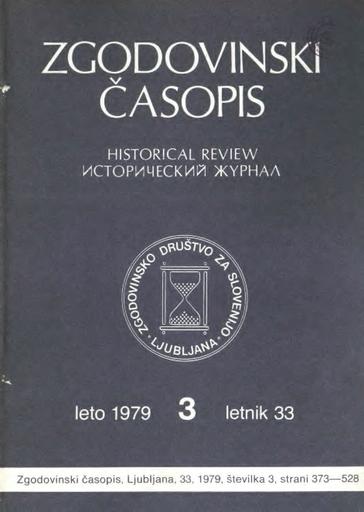
Zgodovinski časopis
Ethnic Relation and the Slovene-German Ethnic Frontier in Stiria as Element of Liberation of the North-East Slovenia in 1918/1919
Author(s):Bogo Grafenauer
Co-author(s):Vasilij Melik (odg. ur.)
Leto:1979
Publisher(s):Zgodovinsko društvo za Slovenijo, Ljubljana
Source(s):Zgodovinski časopis, 1979, št. 3
Language(s):slovenščina
Type(s) of material:text
Rights:
This work by Bogo Grafenauer is licensed under Creative Commons Attribution-NonCommercial-NoDerivs 4.0 International
Files (1)

Name:ZGODOVINSKI_CASOPIS_LETO_1979_LETNIK_33_STEVILKA_3.pdf
Size:8.41MB
Format:application/pdf
Permanent link:https://hdl.handle.net/11686/file99
Description
Decision on uniting southern i. e. Slovene part of Stvria vvith Yugoslavia (1919) vvas taken regarding four historical corner stones: the Maribor distriet had been founded as a Slovene distriet in the middle of the 19th century and Maribor became a seat of the Slovene diocese in 1859; the Slovene national movement in Styria had been strengthening from "tabori" movement (in sixties) to the "declaration movement" (in 1917/18); the armed action under general Maister's command and finally also the French support at the peace conference added to the decision on uniting. The present treatise analyses above all the ethnic relation in the period 1848—1910.
Metadata (12)
- identifierhttps://hdl.handle.net/11686/13129
- title
- Narodnostno stanje in slovensko-nemška etnična meja na Štajerskem kot dejavnik osvoboditve severovzhodne Slovenije 1918/1919
- Ethnic Relation and the Slovene-German Ethnic Frontier in Stiria as Element of Liberation of the North-East Slovenia in 1918/1919
- creator
- Bogo Grafenauer
- contributor
- Vasilij Melik (odg. ur.)
- subject
- Štajerska
- priključitev
- Jugoslavija
- slovensko-nemška meja
- description
- Decision on uniting southern i. e. Slovene part of Stvria vvith Yugoslavia (1919) vvas taken regarding four historical corner stones: the Maribor distriet had been founded as a Slovene distriet in the middle of the 19th century and Maribor became a seat of the Slovene diocese in 1859; the Slovene national movement in Styria had been strengthening from "tabori" movement (in sixties) to the "declaration movement" (in 1917/18); the armed action under general Maister's command and finally also the French support at the peace conference added to the decision on uniting. The present treatise analyses above all the ethnic relation in the period 1848—1910.
- Odločitev o dokončni priključitvi južnega — slovenskega dela Štajerske Jugoslaviji (s senžermensko mirovno pogodbo 1919) je temeljila na štirih zgodovinskih temeljih. Najprej na dejstvu, da je bilo mariborsko okrožje sredi 19. stoletja urejeno kot slovensko in da je bil 1859 prestavljen v Maribor sedež slovenske lavantinske škofije. Od taborskega do deklaracijskega gibanja se vleče razvoj močnega slovenskega narodnega gibanja. Oborožena akcija pod Maistrovim vodstvom in predvsem francoska podpora na mirovnih pogajanjih sta v zaključni fazi prispevali k omenjeni odločitvi. Razprava analizira predvsem etnično stanje v letih 1848—1910.
- publisher
- Zgodovinsko društvo za Slovenijo
- date
- 1979
- type
- besedilo
- language
- Slovenščina
- isPartOf
- rights
- license: ccByNcNd